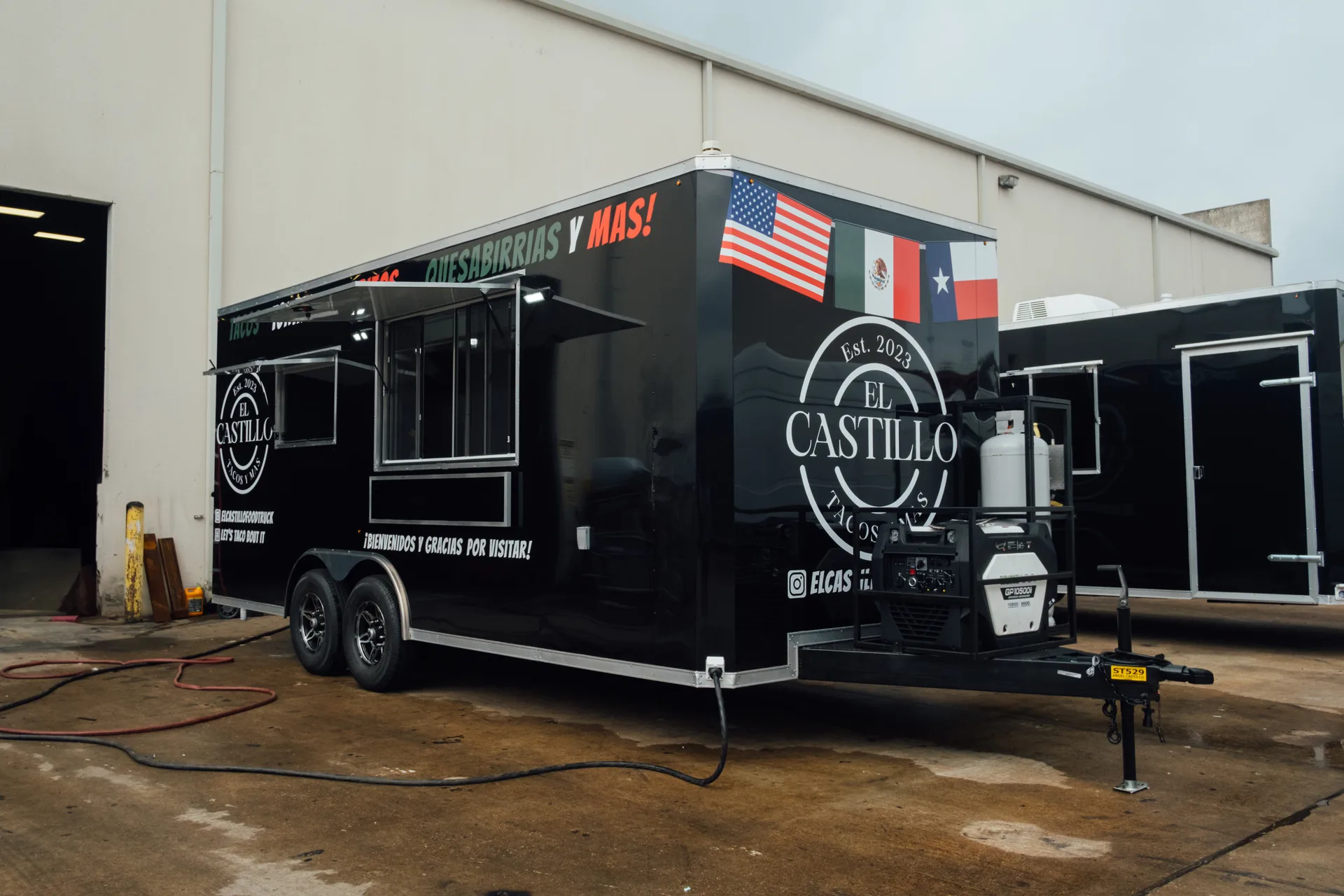
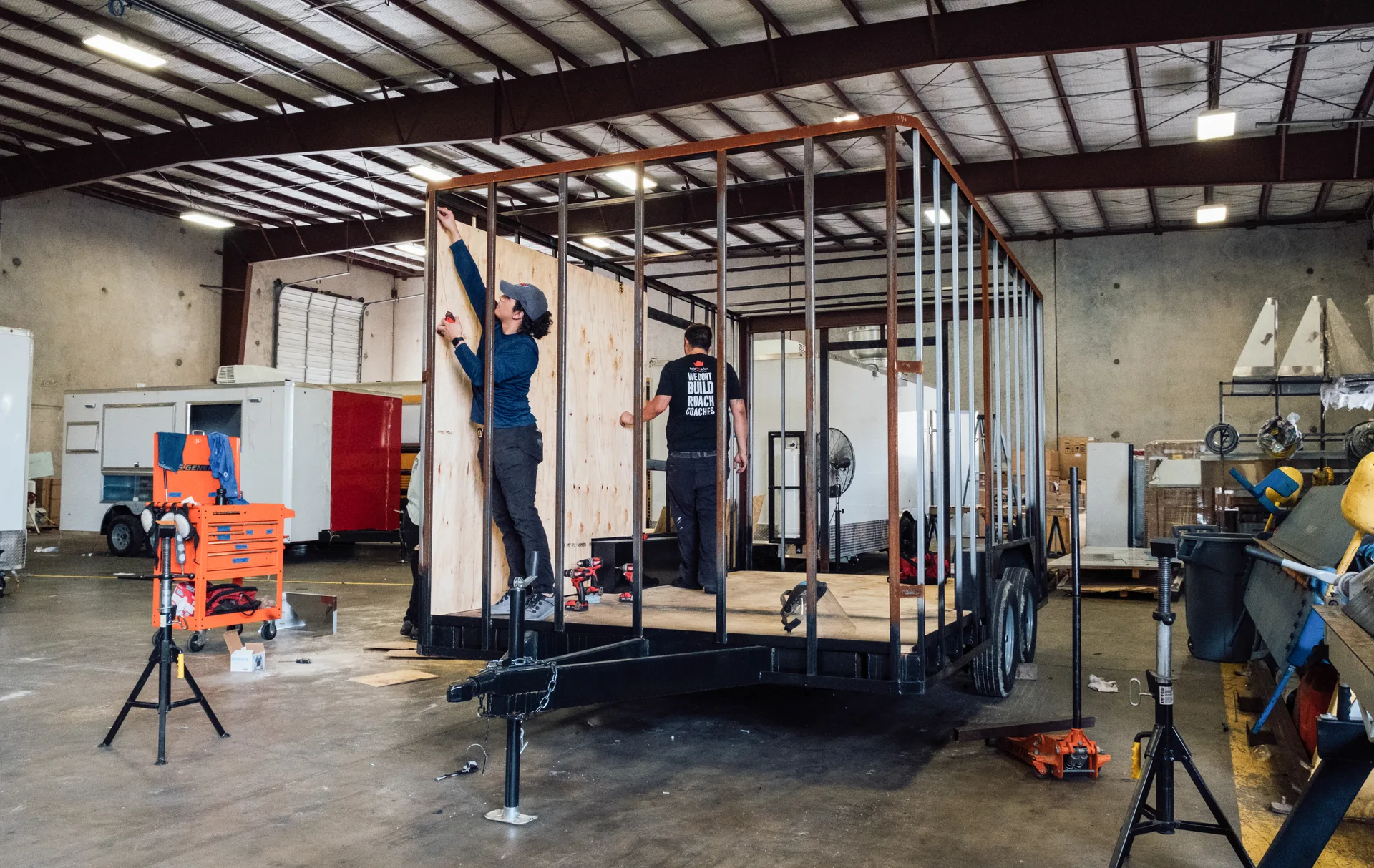
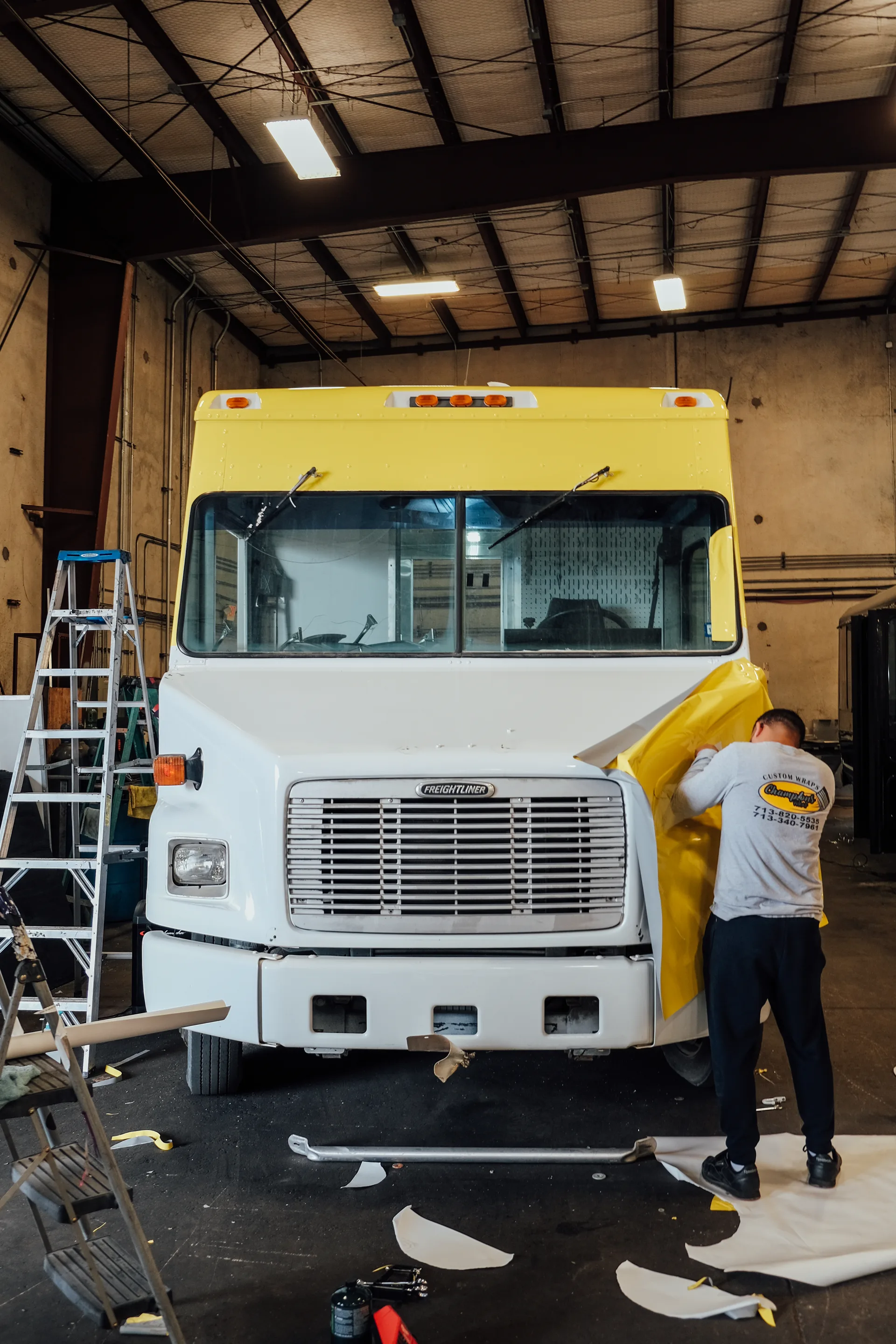
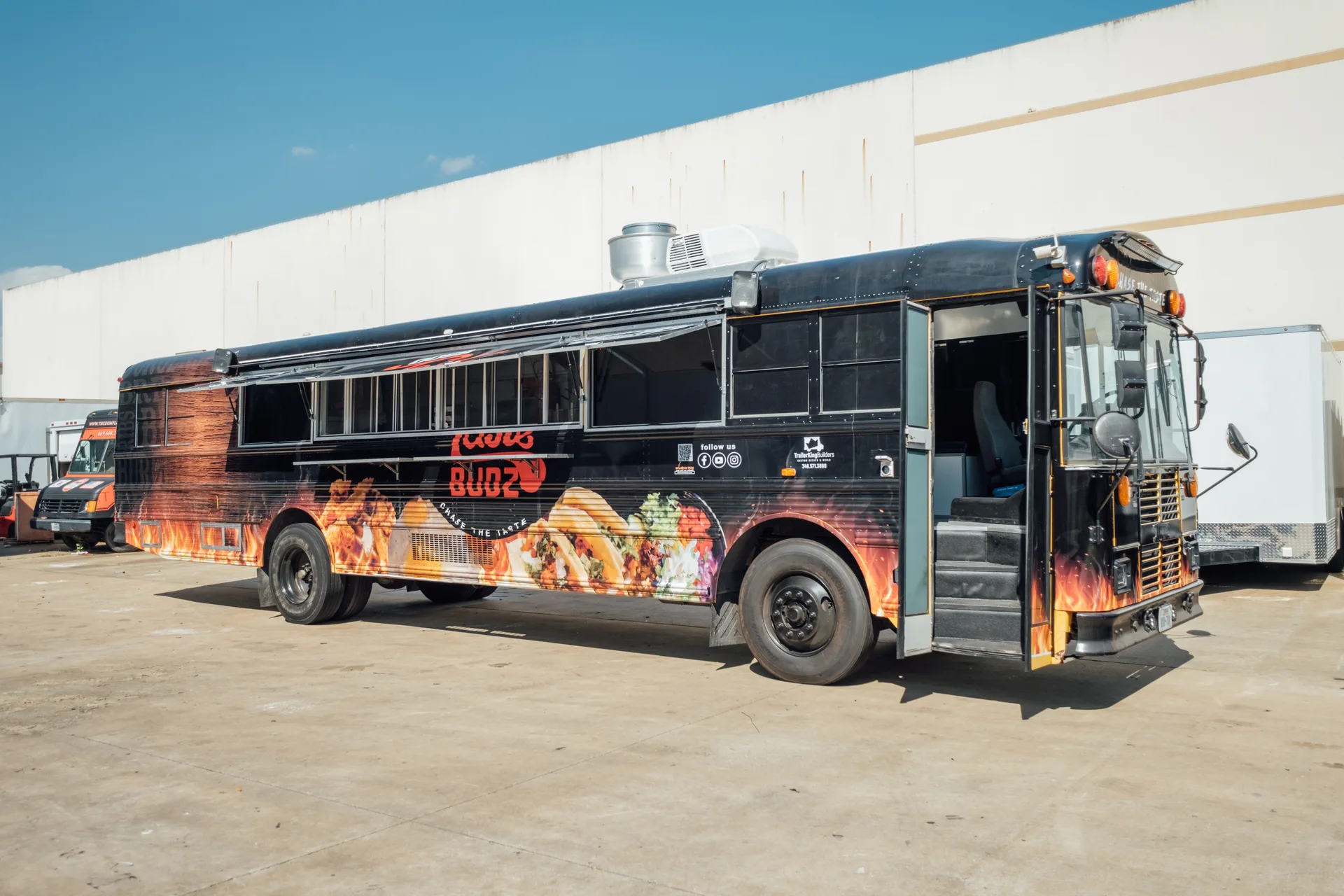
The way a BBQ food trailer kitchen is set up can make a big difference, especially in a busy area like Houston. Everything from how the equipment fits to how the crew moves matters when you’re working with the heat of a smoker and a lunch rush lined up. If you’re checking out a food trailer for sale in Houston, you’ll want to think past just how the trailer looks on the outside.
For BBQ-style setups, the inside needs to do more than hold gear. It has to support cooking, serving, and storing food fast and safely. A smooth kitchen layout keeps smoke under control, gives your team enough space, and holds up in the Texas heat. Let’s take a look at the layout and equipment choices that help make BBQ food trailers work harder and smarter in Houston.
Choosing the Right Equipment for BBQ Cooking
Smoking meat takes more than just a good recipe. The right cooking tools are what hold things together. In a BBQ trailer, space is tight, so every piece of equipment has to do its job without getting in the way.
Here’s what we think about when picking BBQ equipment:
• Offset smokers or propane smokers are common choices, but they take up lots of space, so planning for them early is key
• Flat-top grills or charbroilers, often used for sides and add-ons, should be placed near prep areas to limit back-and-forth movement
• A warming cabinet helps keep brisket and ribs at serving temp when prepping multiple plates at once
• Fryers might be needed for items like fries or pickles, but safety spacing is a must
• Everything needs to be powered properly, which means thinking about generators or hookups that match your appliance load
• Ventilation support is needed for heat-heavy equipment so you’re not working in a smoke cloud
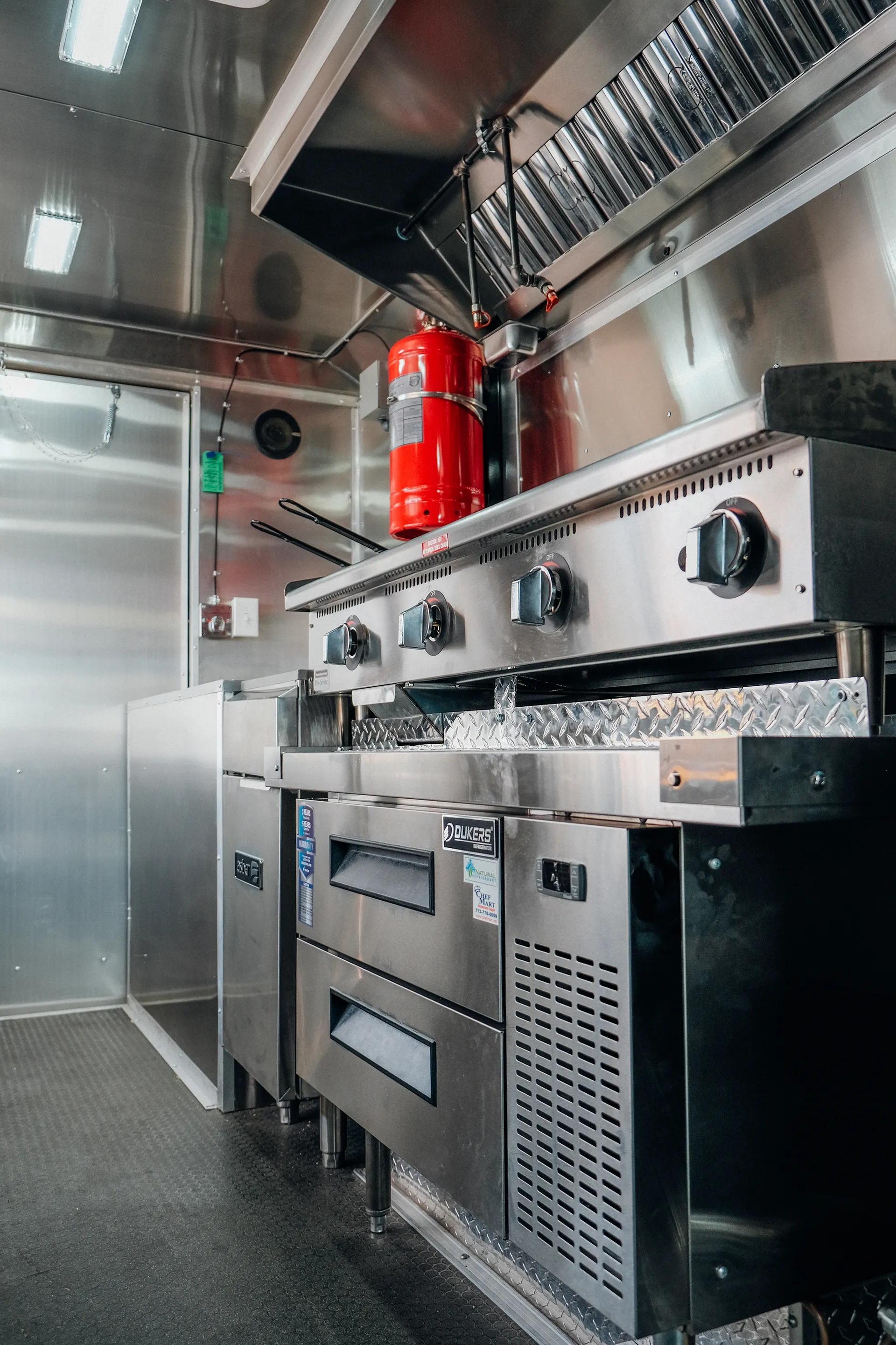
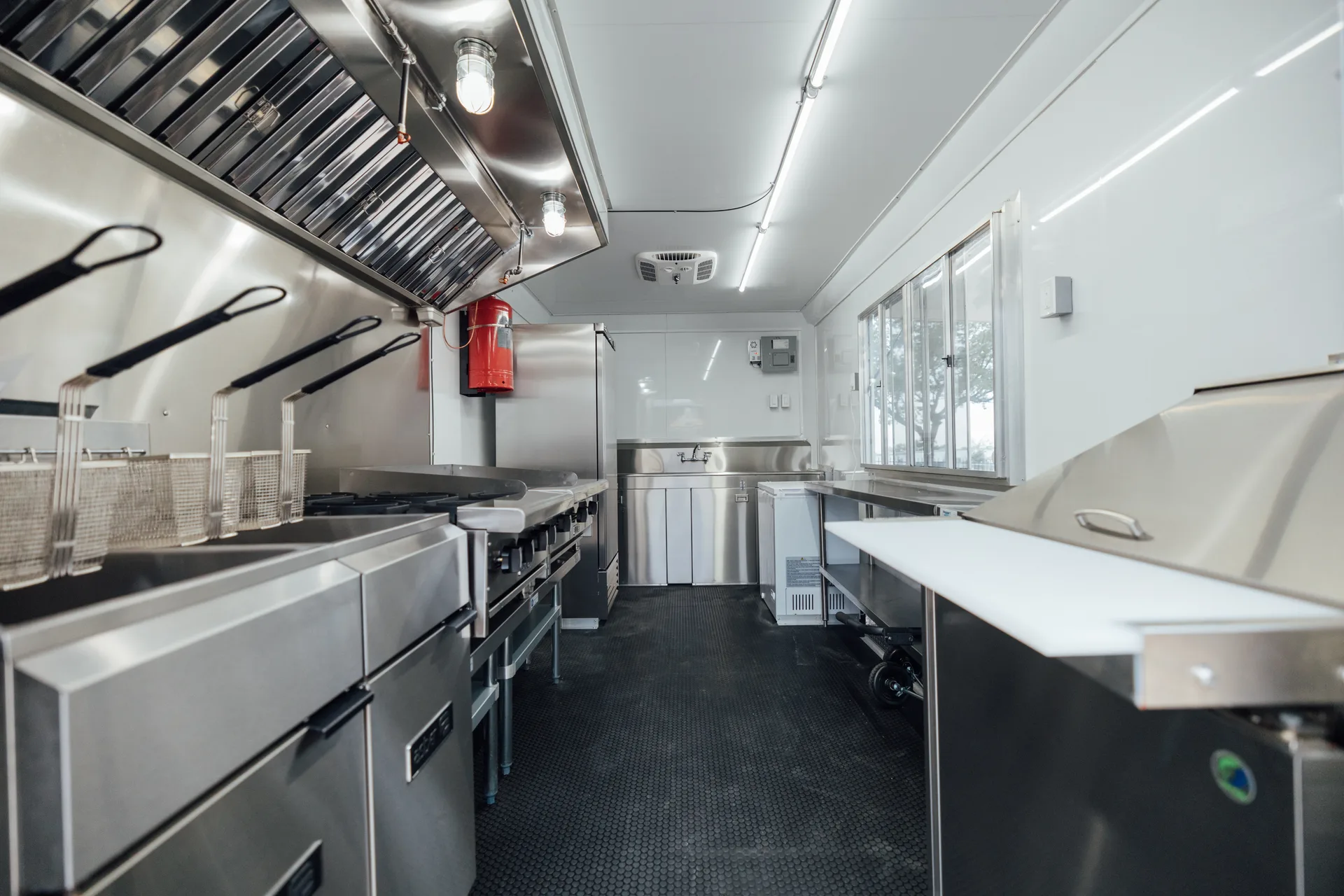
When we outfit a BBQ trailer, common equipment packages include commercial deep fryers, 36 inch griddles or charbroilers, refrigerators, and concession hoods that are chosen to match the trailer’s dimensions and cooking needs.
Matching the cooking equipment to the size and shape of the trailer helps things stay safe and efficient. A full-sized smoker or large grill can easily eat up space, so we think carefully about what’s truly needed for the planned menu.
Layout Styles That Help Work Flow
Moving inside a BBQ trailer should feel like muscle memory. The faster and safer the team can move, the more orders get out the window. That’s why layout decisions matter, especially when things get busy.
For BBQ set-ups, two common layout styles are used:
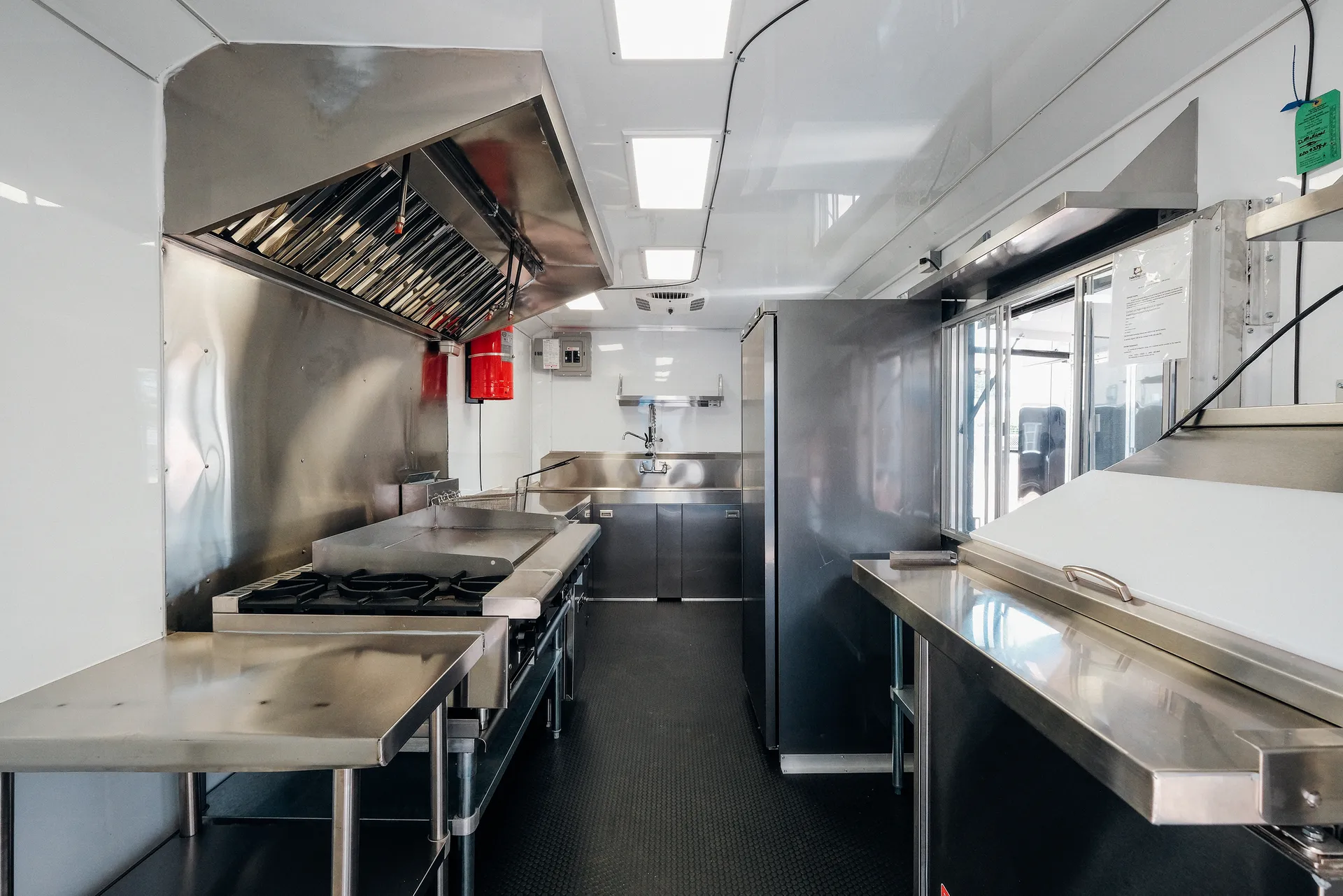
• Galley layouts place everything in a straight line, good for trailers that are narrow and need a direct path from prep to cook to serve
• L-shaped layouts create natural corners, which can give one crew member space to prep while another works the grill or smoker
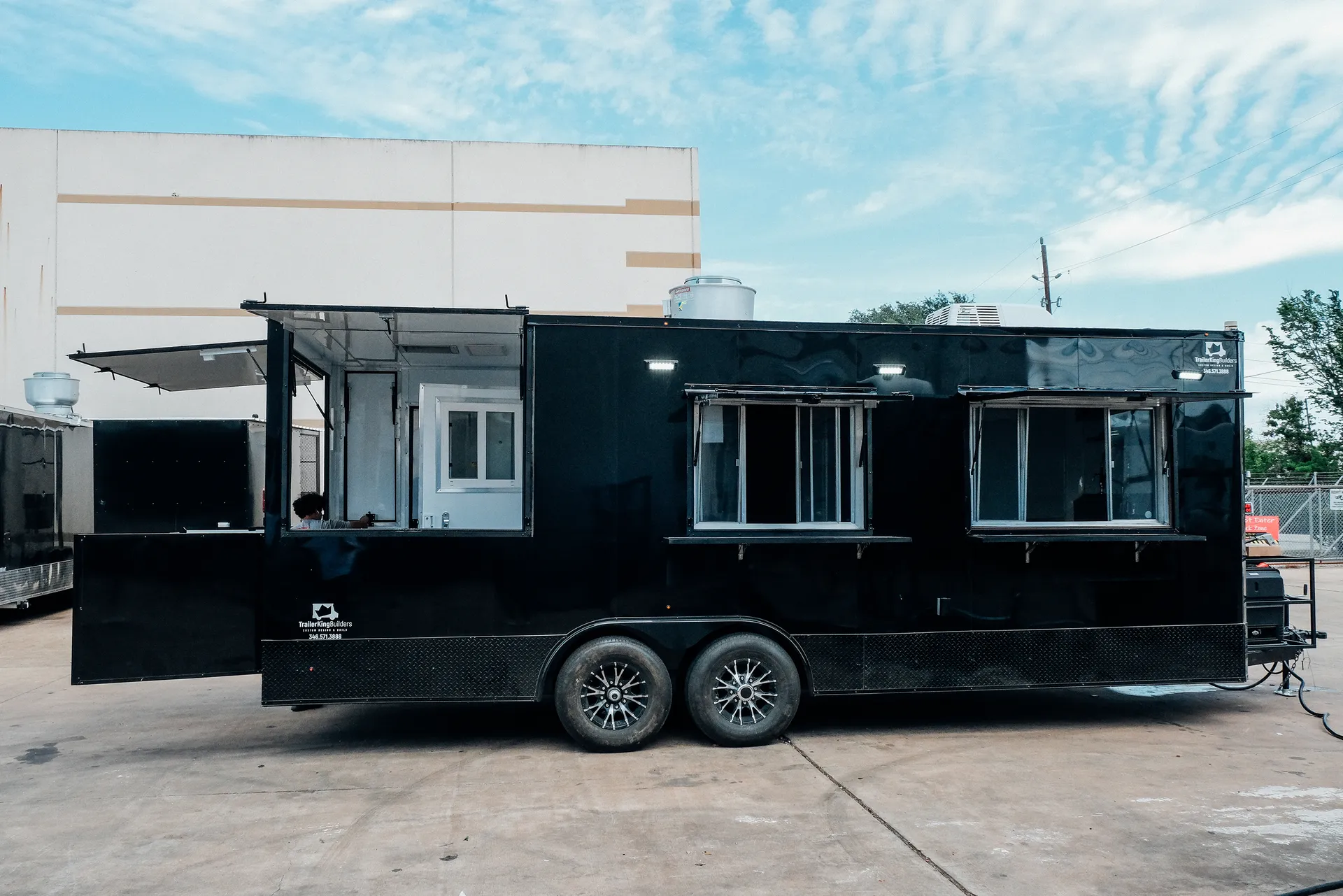
We offer concession trailer build outs in widths from about 7 to 8.5 feet and in standard lengths such as 14, 16, 18, 20, and 22 feet, so there is room to plan the right mix of smokers, prep zones, and serving windows for your concept.
The key spots in every layout include:
• Refrigeration near prep space so cold meats can be moved quickly
• Serving windows placed away from the heat zone so food can be passed out without standing in front of the grill
• Clear walking space between stations to avoid bottlenecks
We plan crew movement like a restaurant kitchen. If someone’s always turning around or squeezing by, something’s off. Good BBQ takes time, but the trailer should never slow anyone down.
Planning for Smoke, Heat, and Ventilation
Even in the cooler months, Houston air stays thick. Smoking ribs or brisket in a mobile kitchen builds up heat fast, and the smell can become overwhelming inside if there isn’t a plan to move the air.
Here are a few simple but important setup ideas for handling smoke and heat well:
• Larger hood systems with power to pull smoke away from the grills and smokers
• Vent placement close to heat zones to help the air move in the right direction
• Roof-mounted fans to support natural ventilation when needed
• Windows that can open safely to help during long cooking shifts
• Insulated walls and ceiling to prevent the trailer from turning into an oven
Since we are based in Houston, Texas, our team is familiar with local inspection expectations when planning hood systems, exhaust fans, and other ventilation for high heat BBQ setups.
Good air movement helps protect both the food and the crew. When airflow is wrong, thick smoke settles in and the temperature rises fast. We always plan kitchens that respect the heat load so things stay cool enough to work.
Storage and Prep Space That Works for Texas Crowds
Texas cookouts are big, and BBQ trailers tend to serve heavy plates. For that pace, you need strong prep space and storage that lets the team move fast without losing track of anything.
Here’s what works best in high-volume setups:
• Cold storage like deep under-counter coolers or reach-in fridges to quickly grab meat cuts or sides
• Dry storage shelves that are mounted up high, keeping paper towels, spices, and disposables close
• Separate prep surfaces for meat slicing and side prep to keep things clean and moving
• Designated areas for holding completed plates when working food lines or events
Having enough storage without wasting floor space is part of every successful build. For big weekends and long lines, there needs to be a plan for how trays flow through the kitchen without stacking up or slowing service.
Making Your Setup Work for Houston’s Climate
Houston doesn’t stay cool for long. Even in December, there’s a good chance the afternoon sun will make a food trailer feel much warmer than expected. Planning for those conditions means building in comfort for the long haul.
Here’s where we look when we think about local climate:
• Interior fans positioned to keep air moving around hot cooking zones
• UV-resistant and insulated wall panels that can help keep interior heat down
• Trailer doors or vents that give the crew a slight breeze without being a safety risk
• Light-colored surfaces inside the trailer that reflect heat instead of absorbing it
It’s not just about comfort either. Heat also wears on equipment, wiring, and even the trailer frame. Heavy cooking combined with Houston heat can strain systems if the setup doesn’t allow for temperature control and airflow.
Build a BBQ Trailer That Keeps Up With You
If you’re serious about serving BBQ from a trailer in Houston, a good kitchen setup does more than just check boxes. It gives your crew room to move, your smoker room to breathe, and your customers food they’ll want to come back for.
BBQ trailers that stay organized and manage heat, smoke, and movement well make daily shifts smoother and busy weekends less stressful. A bit of planning now around layout, appliances, and Houston’s climate helps set up the kind of BBQ trailer that keeps up with you when orders start flying. Whether you’re running ribs at a rodeo or brisket on a weekday lunch stop, the setup inside your trailer can keep your food business rolling strong.
Planning to launch a BBQ trailer in Houston means making the right kitchen layout decisions now to stay ahead when demand heats up. From smart equipment choices to prepping for crowd flow and climate, every decision supports your day-to-day operations. When you need a food trailer for sale in Houston, we at Trailer King Builders are here to help you design a setup built around your BBQ goals, cooking style, and service needs. Reach out to us today and start building a setup that truly works for your business.