
Fire hazards can cause huge damages in general, whether it’s the smoke or the structure falling. However, when it comes to fire hazards in food trucks, the possibility of hurting customers and staff is higher. As a business owner, you need to know which aspects of your truck are a threat.
Find a few of the most common causes of food truck safety risks below!
Fire Hazards In Food Trucks
Open flames, heated equipment, propane tanks, paper products, gasoline or diesel fuel, and engine oil are all possible fire dangers in food trucks, just like in any other foodservice establishment.
With your customers at the counter, unlike in brick-and-mortar restaurants, they tend to be uncomfortably close to the fire in the kitchen; this makes it all the more vital for your
staff to take extra precautions.
If your flames are too high, you could burn someone’s face or sprinkle your customers with hot oil.
The Biggest Threats
Propane Tanks
According to the NFPA, 68 percent of food truck fires are caused by propane tank leaks or structural problems. In recent years, propane explosions have been the cause of nearly every food truck fire that resulted in injuries and deaths.
Food trucks are continuously moving, causing structural damage and loosening connections and fittings. Propane’s heavier than air, so a leak on a truck’s tank inside tends to pool near the floor.
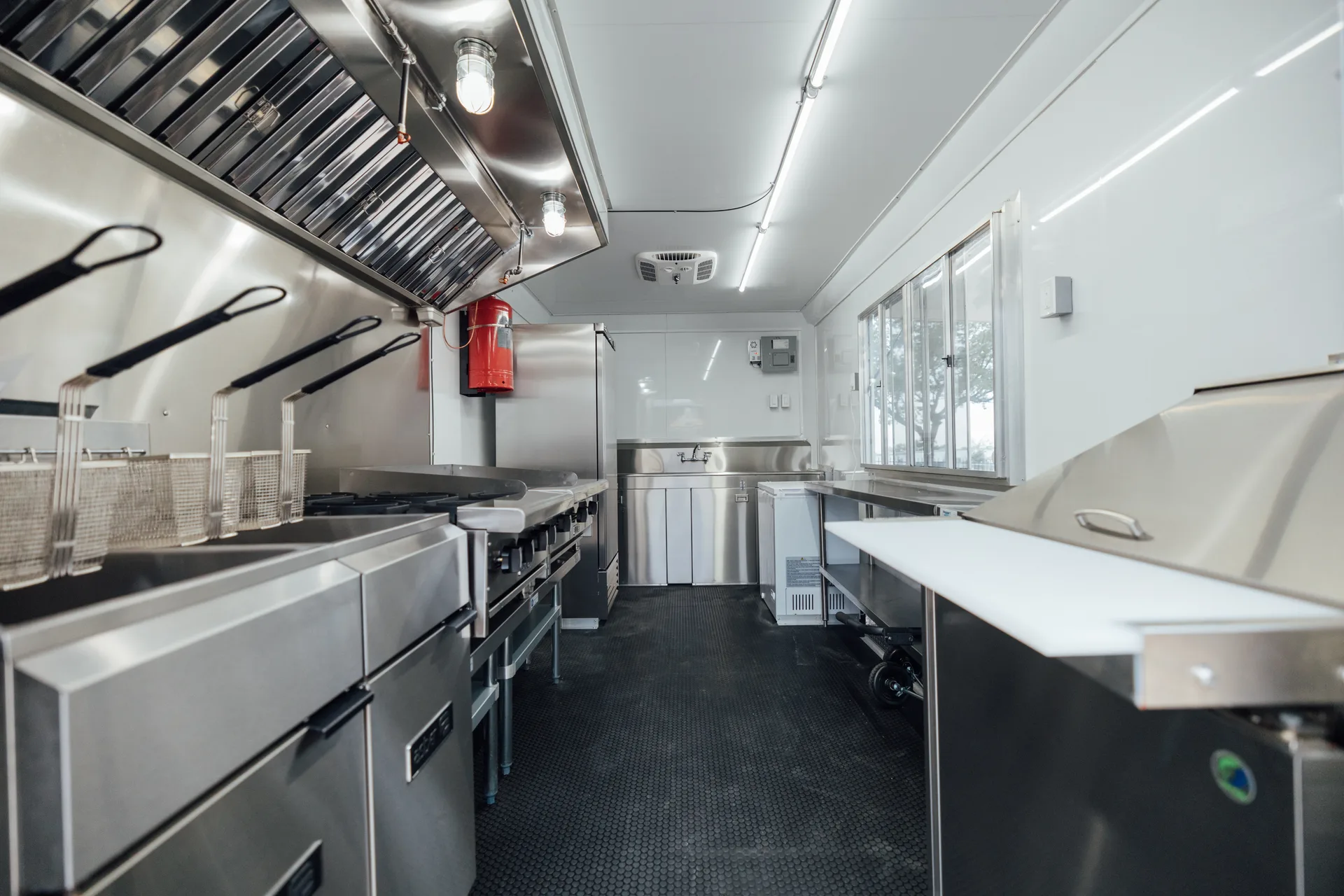
Cooking without the right fire suppression systems
Most food truck operators have portable fire extinguishers to effectively put out the types of fires they’ll encounter. The Class K extinguisher for putting out grease, fat, or cooking oil fires; and the ABC extinguisher for putting out fires involving paper products or other types of fires.
Portable Generators
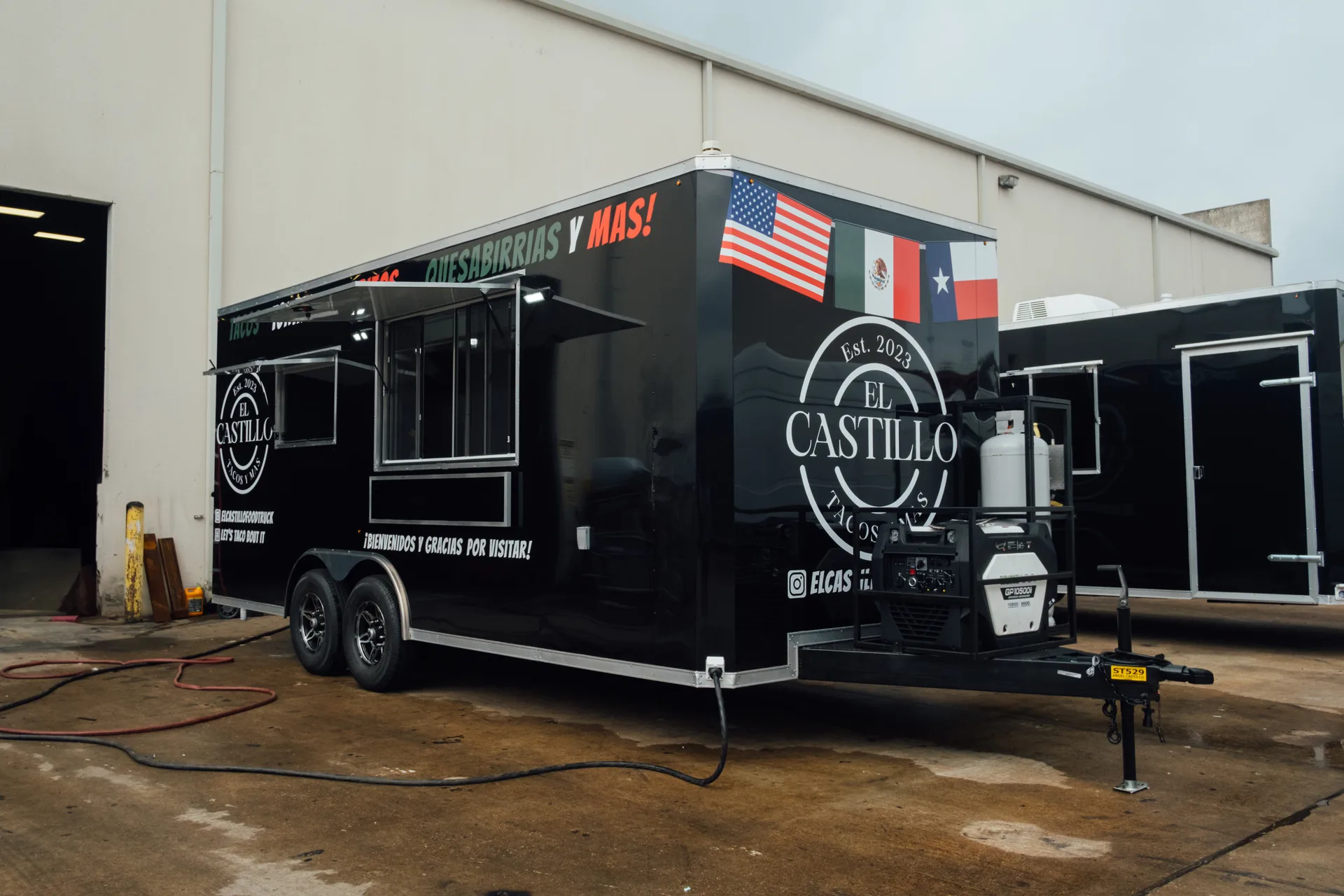
Portable generators used to power a food truck might also pose a fire hazard. In general, older food trucks or vehicles converted into mobile kitchens provide the most risk, rather than newer food trucks expressly designed for cooking operations.
Trucks can fill with combustible and harmful carbon monoxide gas released by the generator or electrical system if they are not properly vented.
Fire hazards in food trucks are a serious problem that every owner should, at least, try to prevent. Ensure your staff is properly trained with food truck safety measurements and you have the right equipment in yours for them to use!