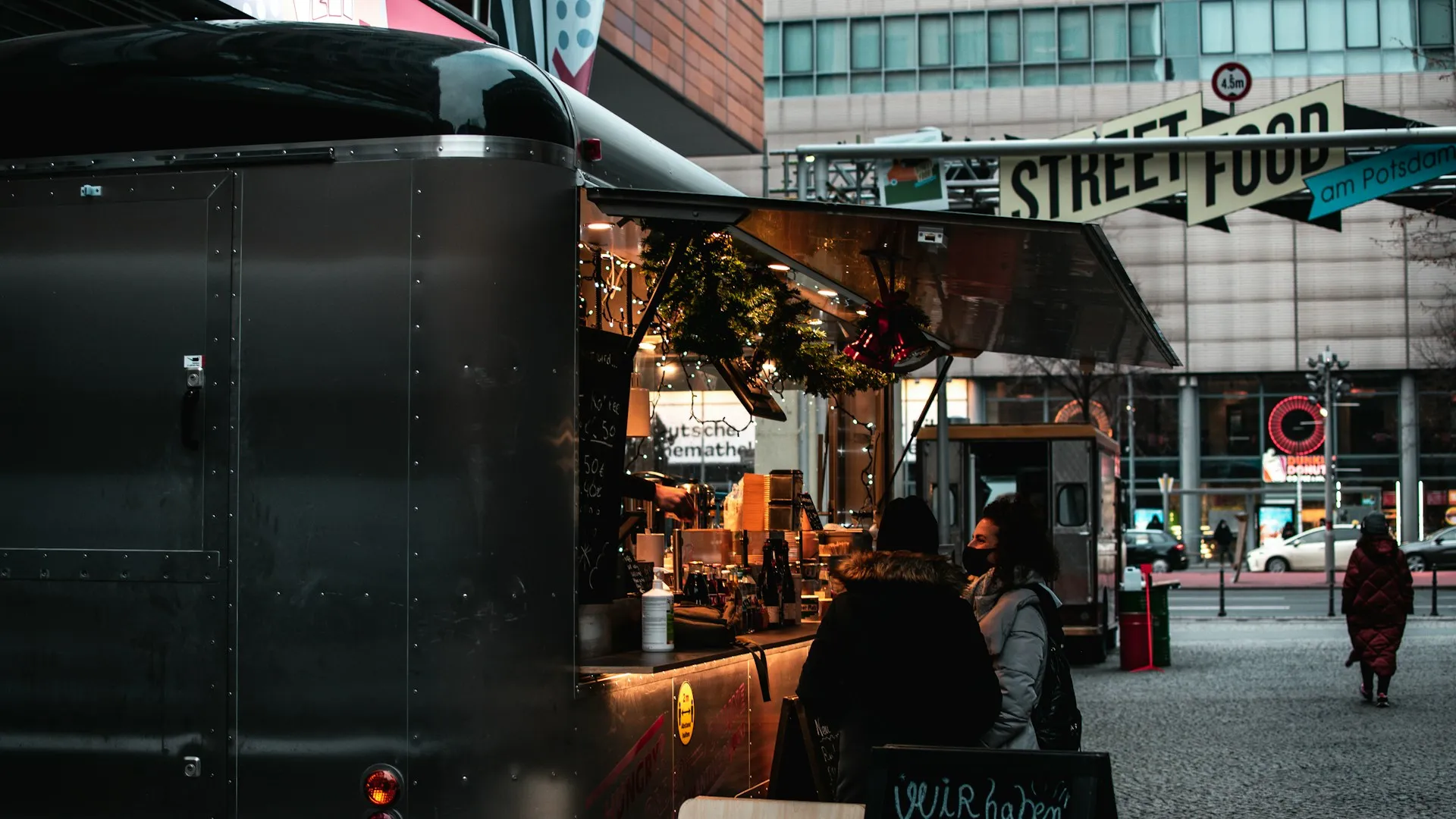
Food truck repairs can creep up fast if you’re not watching for warning signs. One moment, everything’s running smoothly. The next, your sink stops draining or your brakes feel off. Small issues might not seem like a big deal, but left alone, they can turn into real problems during a lunch rush.
The good news is that many signs show up early if you know what to look for. Winter in Houston doesn’t bring freezing snow, but colder mornings and changing conditions still affect your truck. Staying alert to the signs now can help keep things running smoothly through the shift and through the season.
What Noises or Smells Can Tell You
Sounds and smells might seem easy to ignore, but they’re often the first sign something is off. The engine, exhaust, and built-in equipment all have their normal rhythms. When that changes, it’s worth investigating.
Here’s what to listen and sniff for:
• Clunking or rattling under the truck could point to loose parts or suspension issues
• A squealing sound from the brakes might mean they’re starting to wear down
• A burning smell could signal an electrical problem, while a gas smell is never something to brush off
Strange scents inside the kitchen, like mold or mildew, might mean there’s a leak somewhere. A clear smell of fuel, or anything sharp, should never be ignored. They could mean a leak or fire hazard is building. These signals don’t fix themselves, so the sooner they get attention, the better.
Trouble Behind the Wheel
Operating a food truck means more than cooking great food. It also means driving safely. The feel of the road can tell you a lot about what’s going on beneath the surface.
Uneven steering or a tug in one direction might suggest an alignment issue or a problem with the suspension. If the brake pedal feels soft or takes longer to stop than it used to, that’s a clear sign something needs to be checked. Even small driving changes like these can lead to bigger, more dangerous problems if passed off as minor.
You know how your truck usually handles. If something in the steering or braking just doesn’t feel right, that’s reason enough to get it looked at. Being behind the wheel should always feel steady, not like a guessing game.
Kitchen Equipment That Fights Back
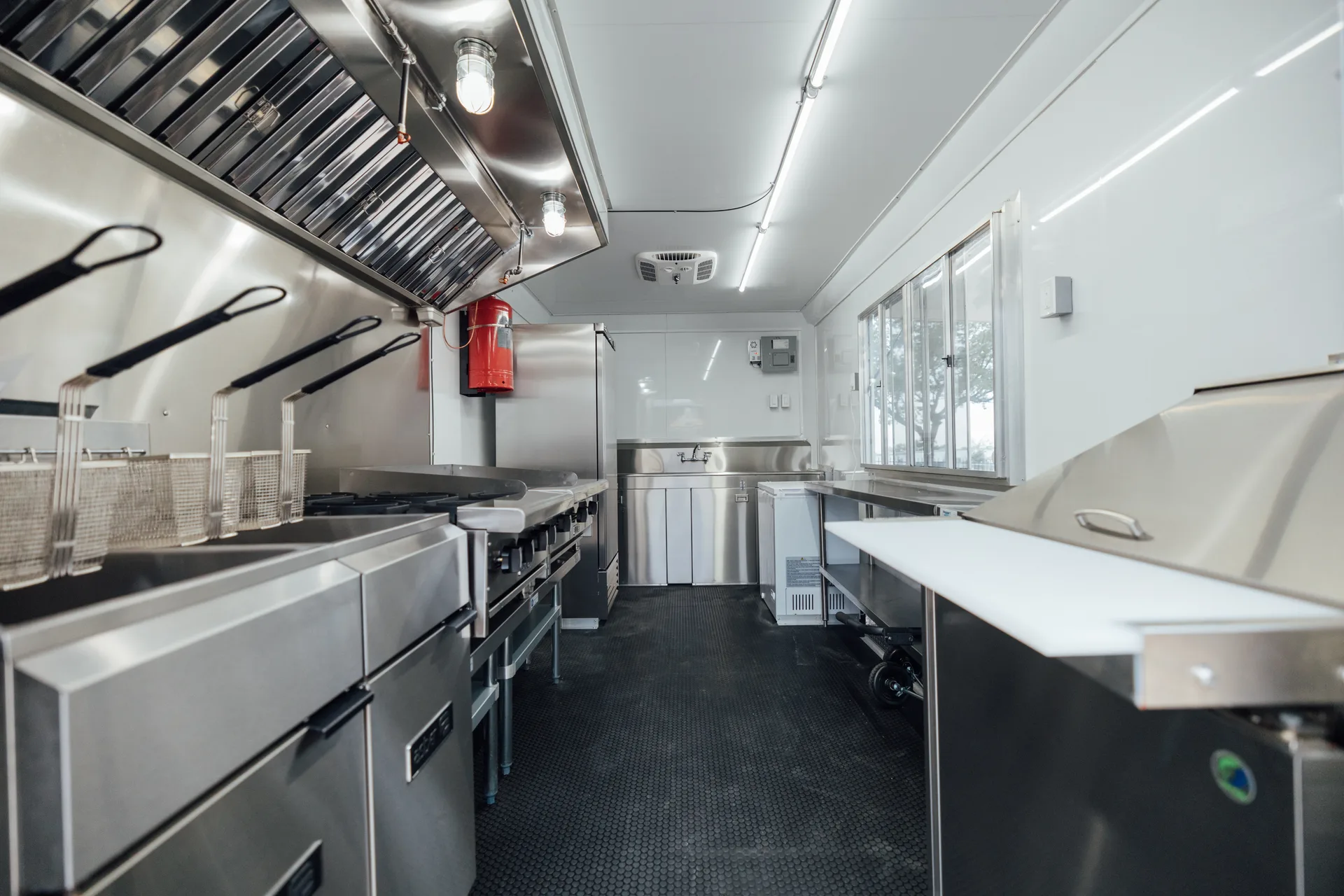
Your kitchen is where the magic happens, but it’s also packed with gear that sees a lot of use each week. If the equipment starts giving you trouble, it might be more than just wear and tear.
Pay attention to these early signs that something’s wrong:
• Lights flickering when multiple appliances are running
• A fridge that doesn’t stay cold or changes temperature without reason
• Water pressure dropping or cutting out during busy cleaning times
• Gas burners that flicker or refuse to stay lit
These types of problems may look small on the surface, but they can point to deeper electrical, gas, or water issues. Even something like static shocks or a tripped breaker could be a red flag. If your tools aren’t working how they should, your service could go down with them. And in a small kitchen, there isn’t much wiggle room to work around a failing fridge or finicky fryer.
Leaks, Rust, and Water Damage
Water issues in a truck can sneak up quietly and leave lasting damage. We’ve seen how ignored leaks or damp spots can turn into mold, rot, or damaged plumbing.
Here’s what to watch for:
• Standing water under the hand sink or near storage
• Rust lines forming around metal edges, vents, or flooring corners
• Damp smells you can’t trace, which often mean water’s hiding behind walls or under surfaces
Houston winters might not bring hard freezes often, but pipes can still be affected by shifts in temperature. A slow drip in February might not look bad until it floods a cabinet in March. Keeping an eye out for trouble early can keep you from dealing with a flooded prep station or slippery floor later.
Temperatures and Seasons Matter
It’s easy to forget that seasonal changes, even in Texas, can stress your truck in different ways. As daily temps start to move between warm afternoons and cooler mornings, systems in your truck adjust whether you realize it or not.
That’s when you might notice:
• Your truck battery not turning over quickly in the morning
• Tire pressure dropping overnight, making the ride rougher or unstable
• Gas lines stiffening in the cold, which can affect flow to your burners
Even in Houston, where winters aren’t freezing, these shifts still leave a mark. This time of year is good for looking closely at gear that worked smoothly last summer, because cold mornings can bring different challenges than hot afternoons. Planning regular checks around the seasons helps prevent surprise breakdowns when you least expect them.
Stay Ahead, Stay on the Road
Keeping an eye out for early trouble can make all the difference between a smooth shift and a frustrating one. From strange sounds and smells to steering hitches or tricky sinks, these clues show up before big repairs are needed.
By noticing changes early, you’re more likely to catch small things before the headache grows. Even the busiest trucks in Houston are easier to manage when the kitchen feels dependable and the vehicle stays safer on the road. Catching problems early isn’t about being perfect; it’s about running smarter. When you stay alert, your truck stays ready.
If your truck is showing signs of trouble, the sooner we take a look, the better. Small issues like uneven handling, power surges, or a strange smell can point to deeper problems waiting to disrupt your next shift. We know how important it is to keep your kitchen running and your vehicle safe, especially during colder mornings in Houston. Take care of potential problems now by scheduling help through our food truck repairs service. Contact Trailer King Builders today to get started.