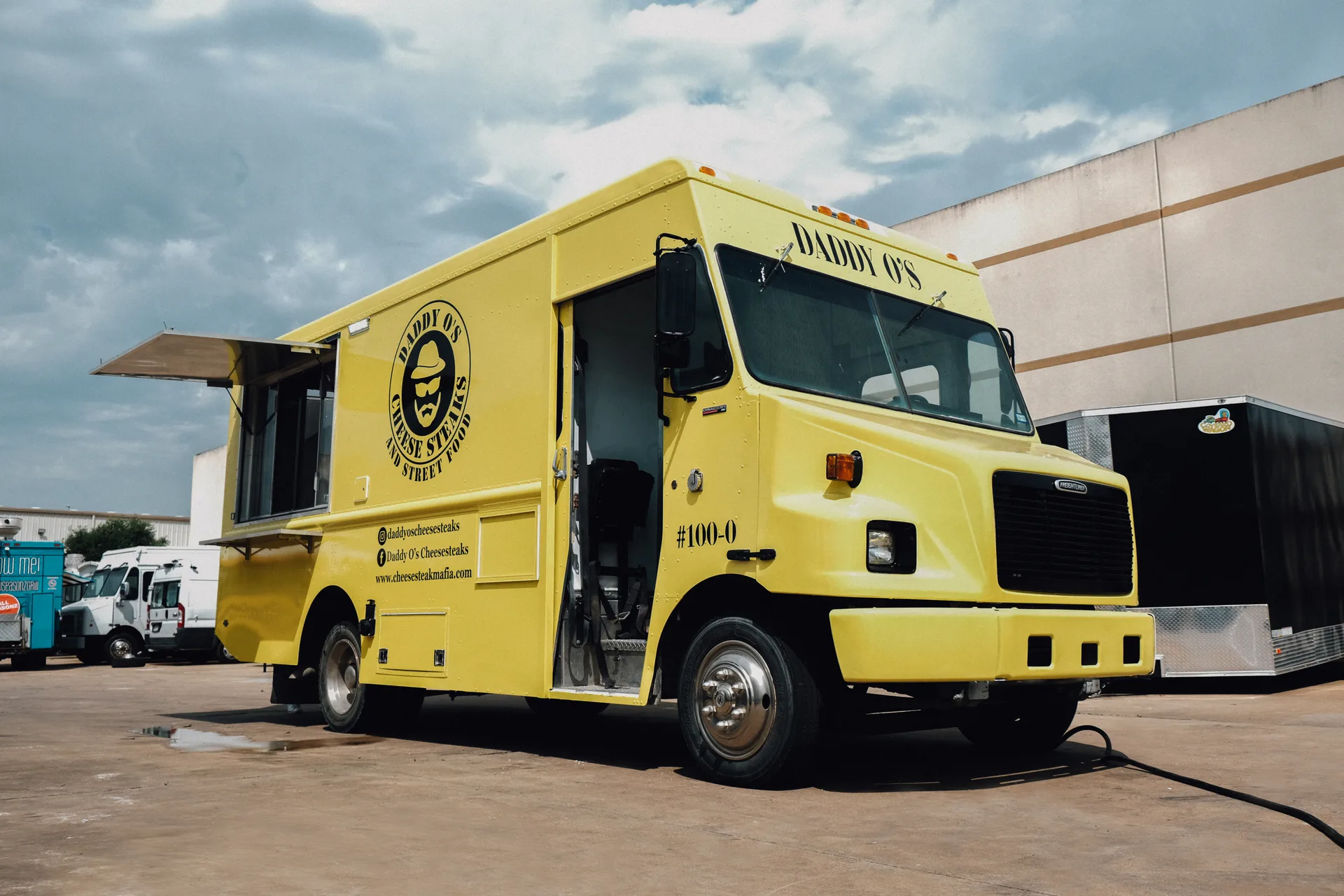
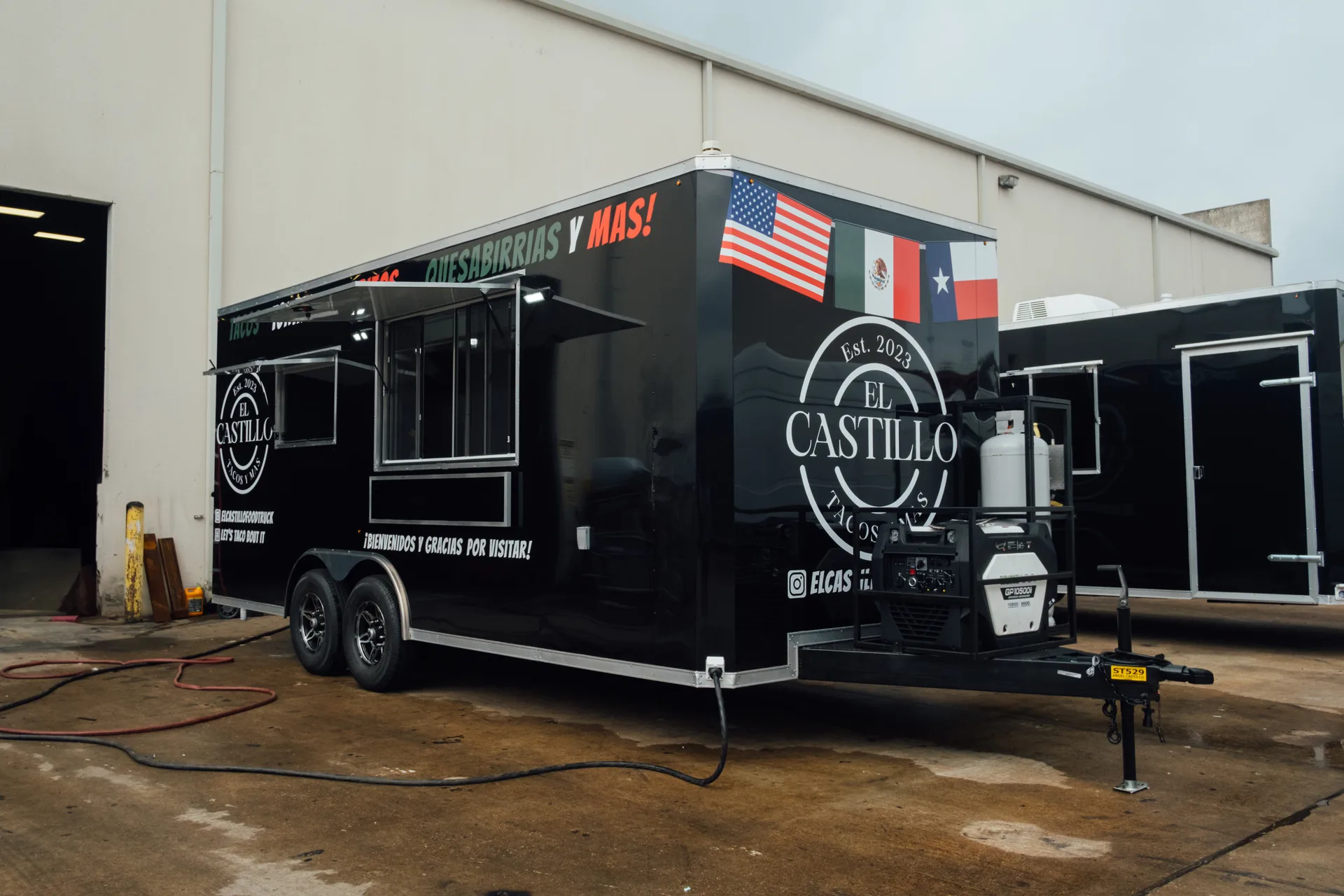
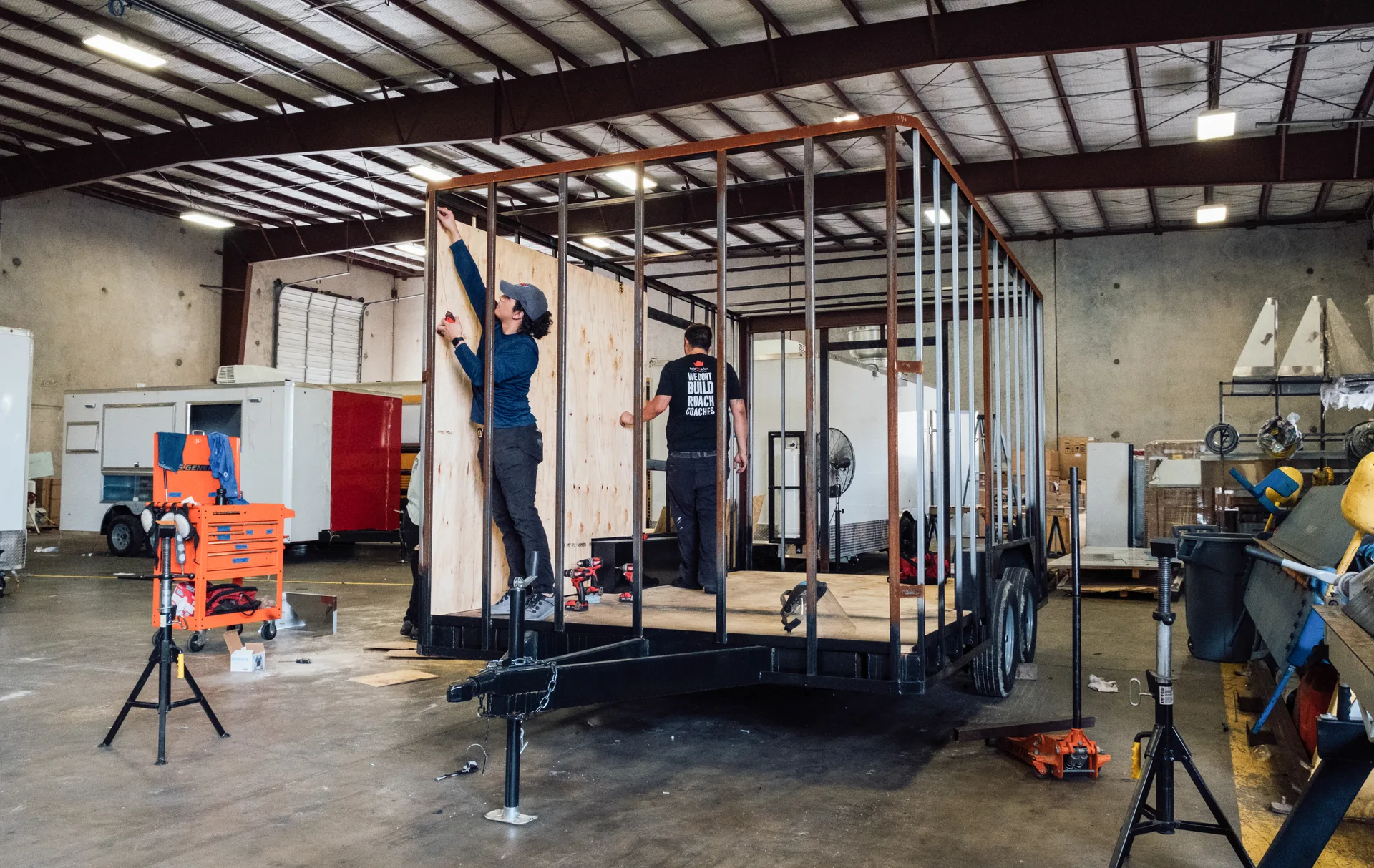
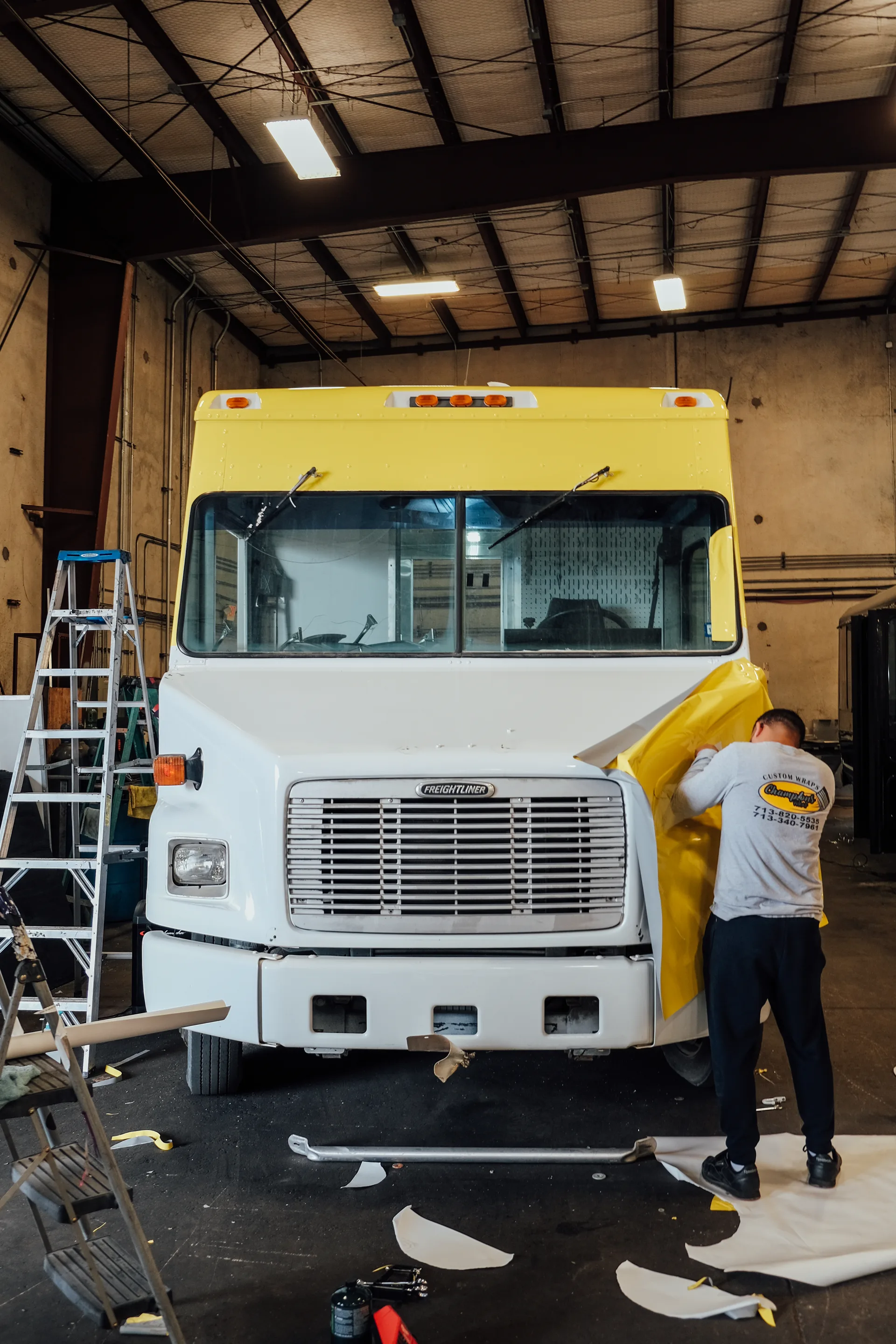
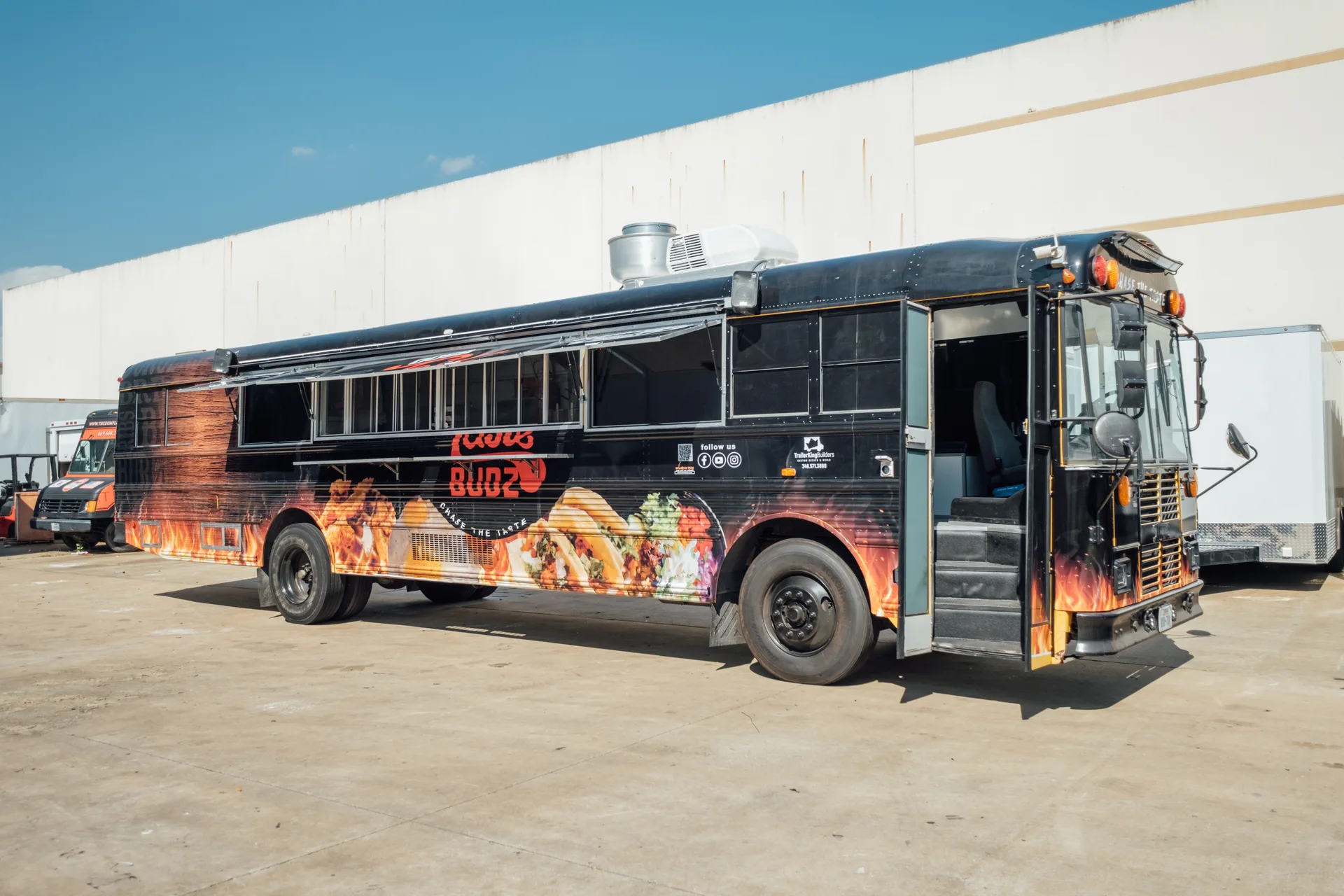
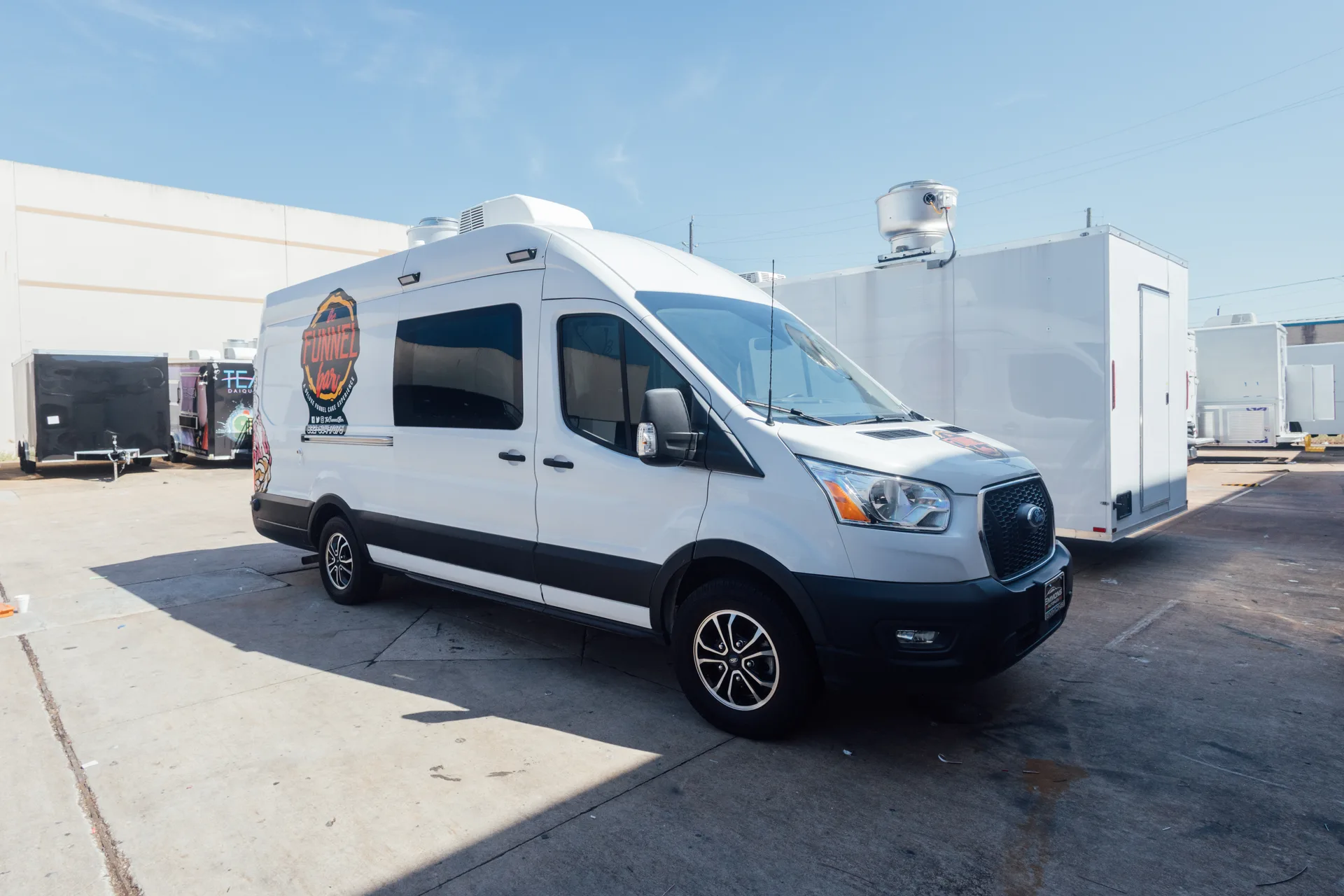
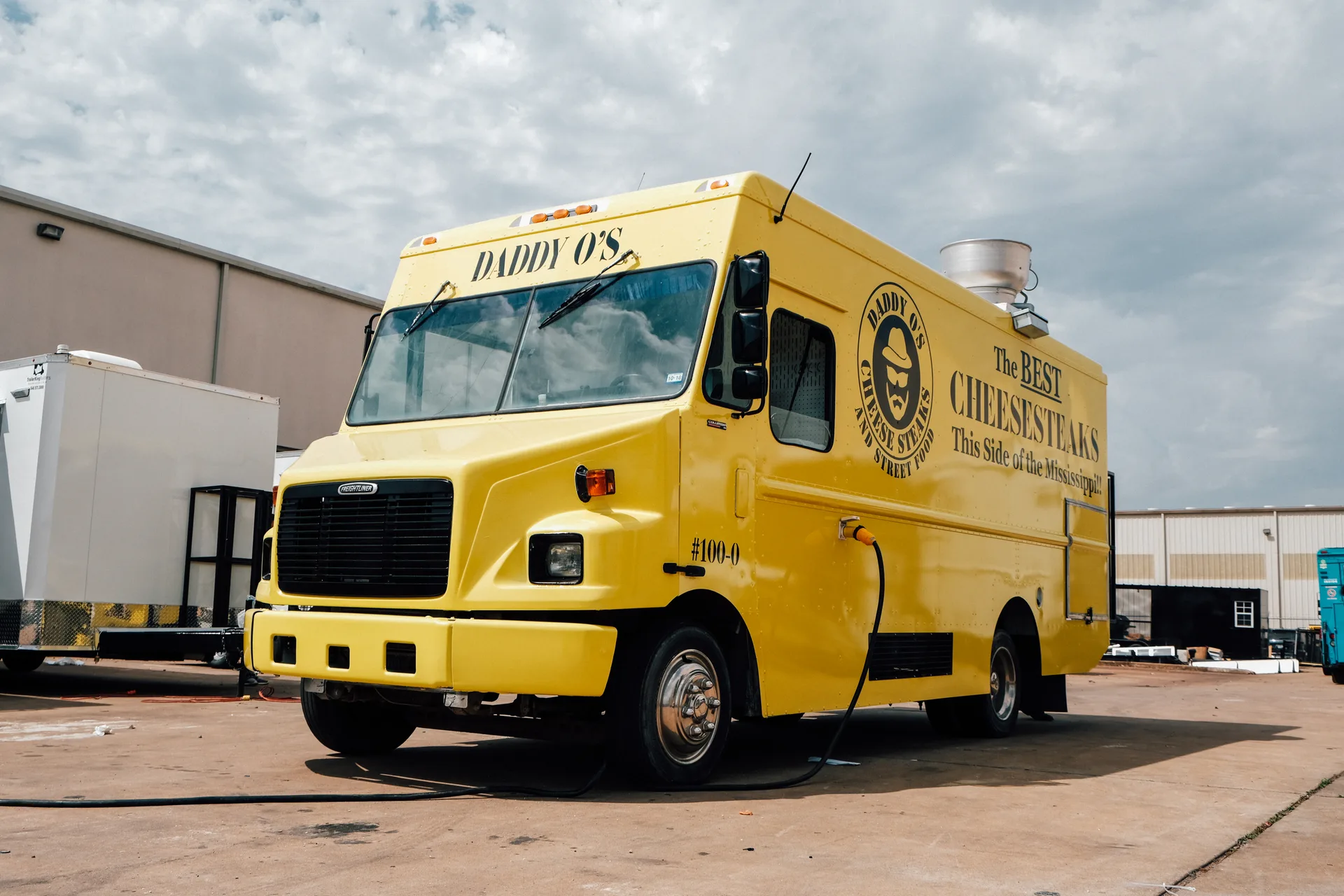
Building your first food trailer is a big step, and it’s natural to feel excited and maybe even a little overwhelmed. As food trailer manufacturers, we’ve seen how easy it is for someone new to the process to fall into common traps. The good news is that most of these missteps can be avoided with the right planning and preparation.
We’ve worked with many first-time owners in Houston and beyond and have noticed the same issues pop up again and again. Whether it’s overbuilding, underplanning, or skipping critical pieces, small oversights early on can turn into bigger issues later. Trailer King Builders has been building custom food trucks and concession trailers since 2017 for owners across Texas and other states, so we see these patterns often. Let’s talk through how to sidestep these mistakes and set yourself up for a smoother launch.
Plan Before You Build
The earliest steps in building your trailer may feel like the least urgent, but they matter just as much as the hands-on work. It’s easy to jump into picking colors, ordering equipment, or sketching out where your fryer should go, but those parts should come after the basics.
Start with your menu. The type of food you plan to serve shapes your entire setup. If you’re focusing on grilled sandwiches, you won’t need the same equipment space as someone making tacos or smoothies. Once the menu is clear, you’ll know what stations and supplies to build around.
Then think through what storage you really need. A food trailer isn’t just about cooking. You’ll also need to stock utensils, cleaning supplies, backup ingredients, paper products, safety gear, and more. If you don’t make space for them, your trailer can get cluttered fast.
And don’t forget local codes and permits. Houston, Texas, has specific rules around venting, sinks, fire safety, and plumbing. Other cities will too. We always suggest checking these early so your plans align before any build-out begins.
Avoid Choosing the Wrong Size Trailer
Trailer size can seem like a simple pick, but it’s where many first builds go off track. There’s a big temptation to go large, thinking you’ll need space for everything plus future add-ons. But bigger trailers come with their own set of issues, from parking limits to higher fuel and maintenance needs.
At the same time, going too small can box you in quickly. Limited space can slow your team down during service and restrict your menu choices. If two people can’t move in the kitchen without bumping into each other, it’s tough to stay efficient when crowds show up.
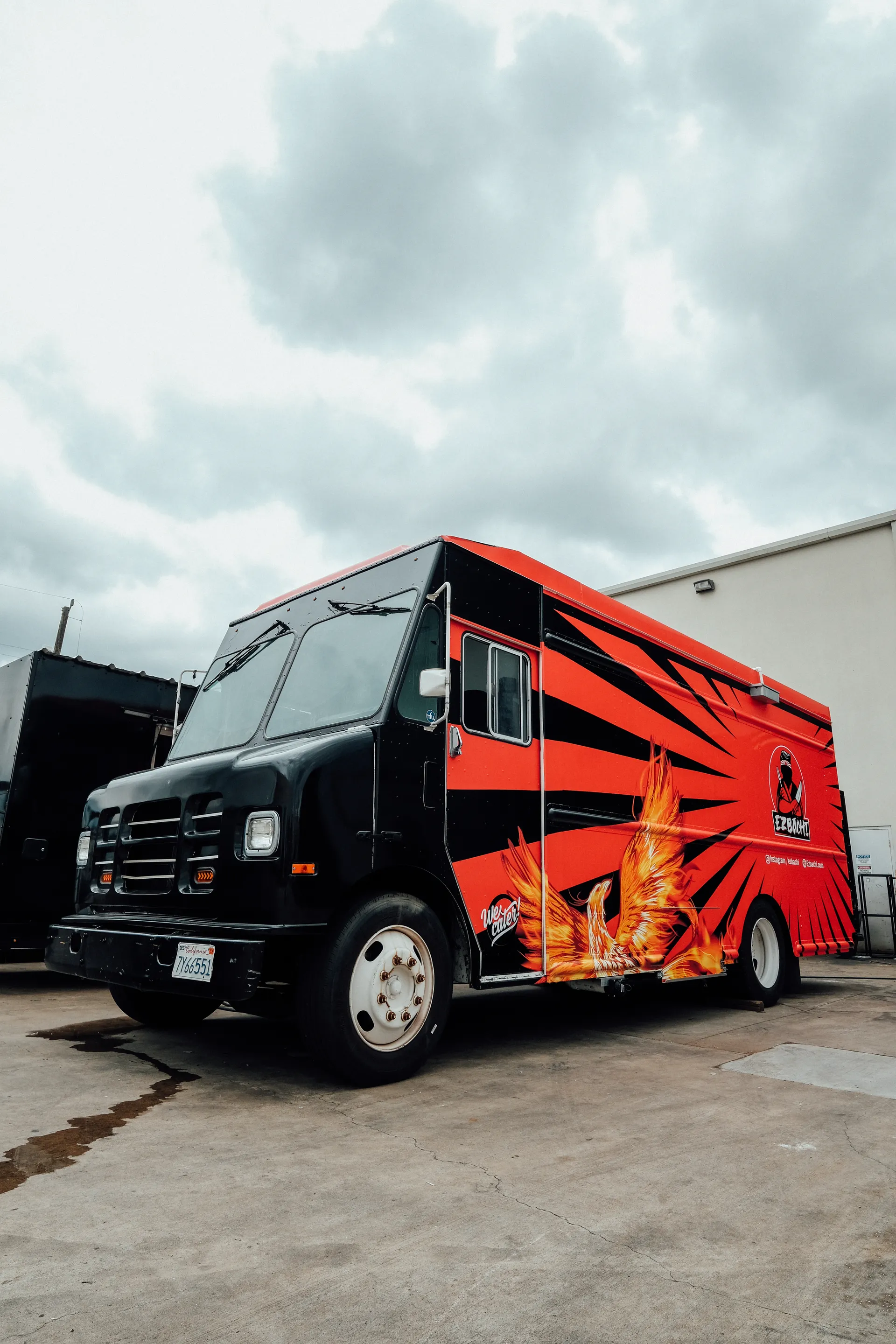
Working with experienced food trailer manufacturers helps here. A good builder will talk through your workflow, gear, staffing plans, and service goals to match the size of the trailer to the way you actually plan to work. At Trailer King Builders, our concession trailer builds cover sizes from about 7 to 8.5 feet wide and common lengths such as 14, 16, 18, 20, and 22 feet, which gives plenty of room to match space to your menu and crew. What seems roomy on paper can feel cramped in a real-world rush.
Don’t Cut Corners on Ventilation and Electrical
Ventilation and electrical planning may not be the most exciting part of your build, but these systems are the backbone of a safe and functional trailer. Poor airflow makes summer service miserable. Overloaded circuits can knock out your entire setup mid-shift.
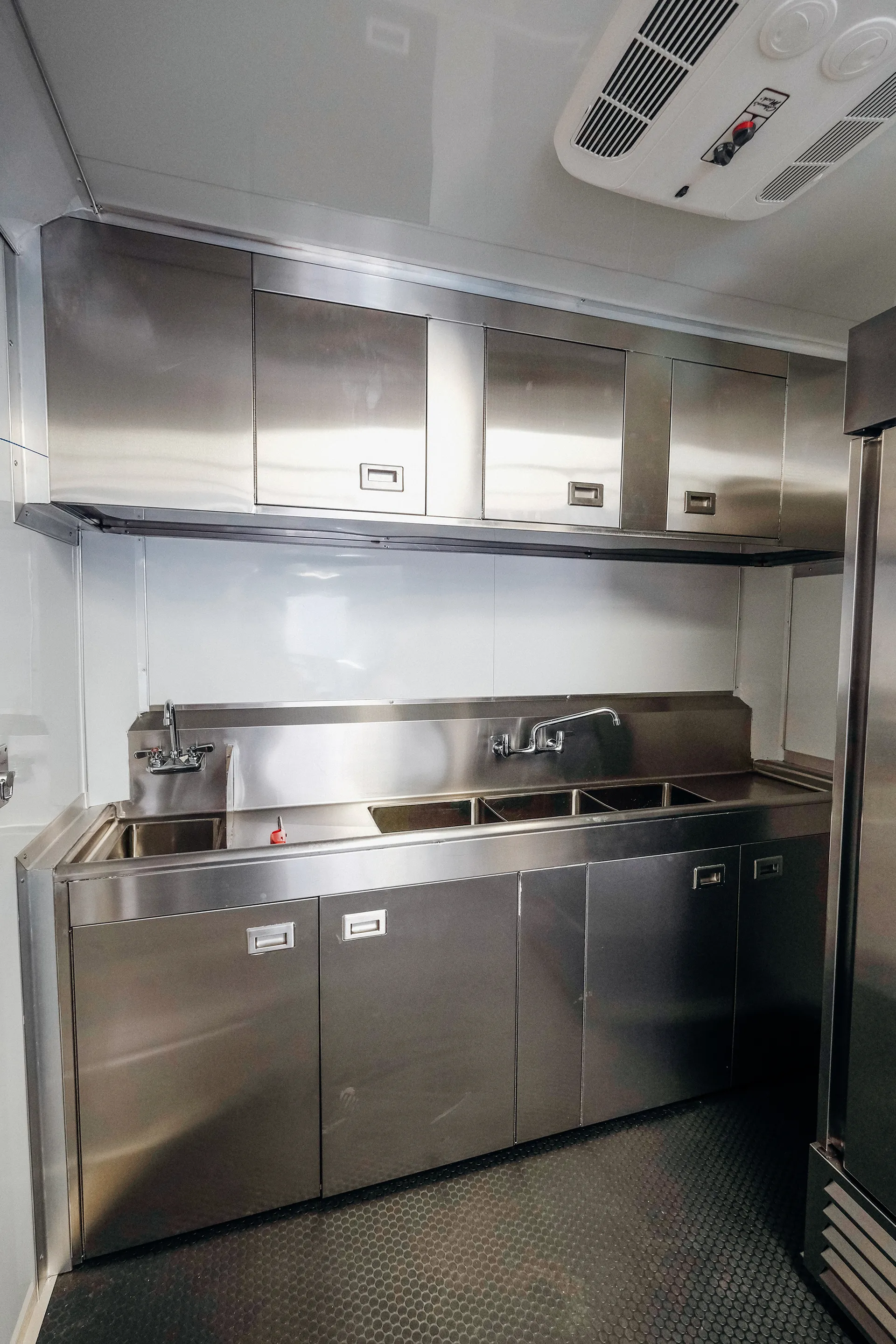
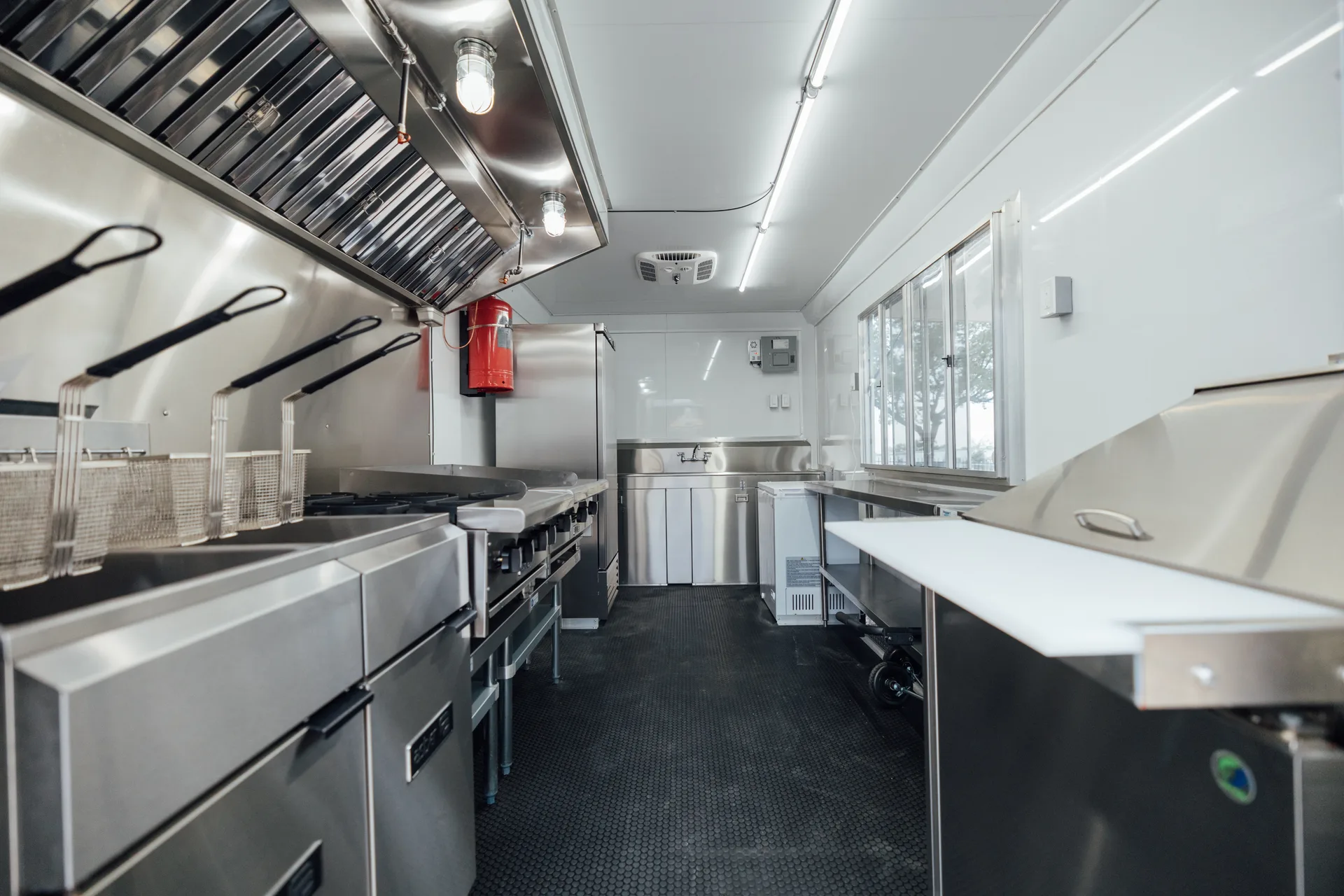
Good ventilation keeps your cooking area from turning into a sauna and reduces risk from grease or gas buildup. Depending on your cookline, you may need hoods, fans, or fire suppression systems. It’s better to install them right from the start than try to add them later.
On the electrical side, it’s easy to underestimate power demands. With grills, fryers, fridges, and lights all running at once, weak wiring becomes a real safety issue. Be sure your trailer is built with outlets in smart spots and wiring that can hold up during long, busy days. Skipping this step can cause major headaches when you’re finally out on the road.
Skip the DIY Fixes
It’s natural to want to save money, especially when you’re just starting out. Food trailers are too important to risk on do-it-yourself shortcuts. We’ve seen plenty of setups where the plumbing leaked, lights failed, or equipment shifted in transit because it wasn’t built to last.
Trying to cut corners on things like gas lines, water systems, or electrical wiring is risky. It can also delay your ability to pass inspections or get the permits you need to operate legally. Even things that seem simple, like shelf installation, can go wrong if not mounted properly.
Getting support from people who specialize in food trailers means more than cleaner finishes. It brings peace of mind. A well-built trailer isn’t just about stability. It’s about avoiding hidden problems that could trip you up after you’ve already started serving. At Trailer King Builders, we handle fabrication and installation of cooking equipment and accessories, along with the interior build-out, so key systems are set up correctly from the beginning.
Leave Room for Growth
When planning your build, it’s easy to focus only on your current menu and setup. Most food trailer businesses change over time. You might add a new dish, hire another crew member, or go from weekend gigs to doing lunch shifts all week long.
That’s why smart trailer designs leave some breathing room. Even something as simple as space for another prep table or fridge can be the difference between needing a total rebuild and making a quick upgrade.
Layouts should be built with flexibility in mind. That could mean modular shelving, open wall space for future gear, or adding power outlets where you don’t need them just yet. Ask early about ways to keep your trailer adjustable so it keeps working for you as your needs shift.
Start Right So You Can Serve with Confidence
Avoiding the usual headaches in your first food trailer build starts with solid planning and a willingness to think ahead. None of these fixes are about making things smart. They’re about making them functional, safe, and ready for real-world use.
From trailer size and layout to the hidden parts like wiring and venting, being thoughtful now keeps your new food business from getting stuck later. A well-planned trailer keeps your staff moving, your kitchen stable, and your business ready for what’s next.
At Trailer King Builders, we understand the effort that goes into creating a food trailer that meets your business needs. Every detail counts in Houston, from layout choices to ensuring code compliance. Talking with experts who are familiar with the challenges of food service on wheels can make all the difference. As experienced food trailer manufacturers, we are ready to help you get it right from the start. Send us a message and let’s discuss how we can move your project forward.