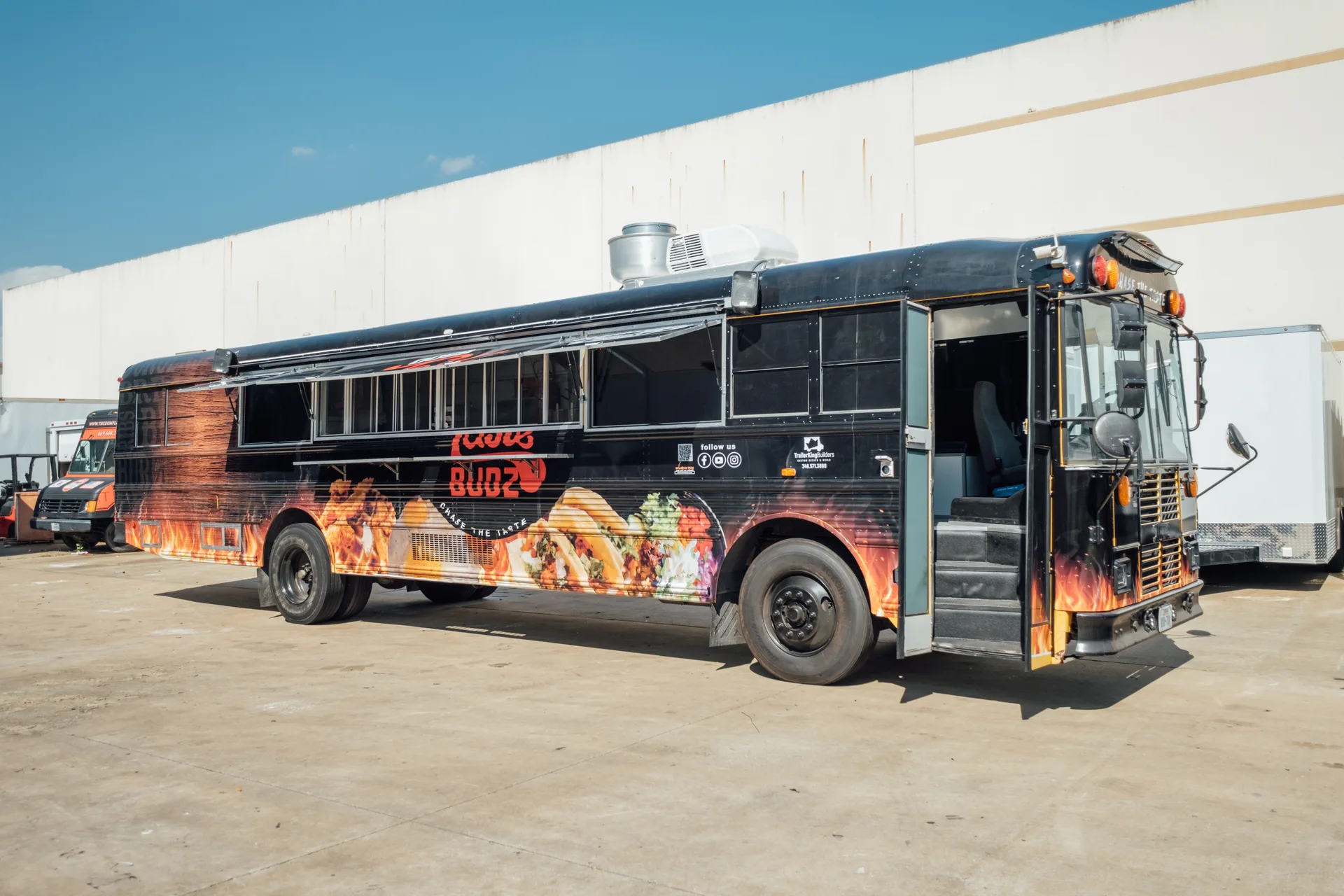
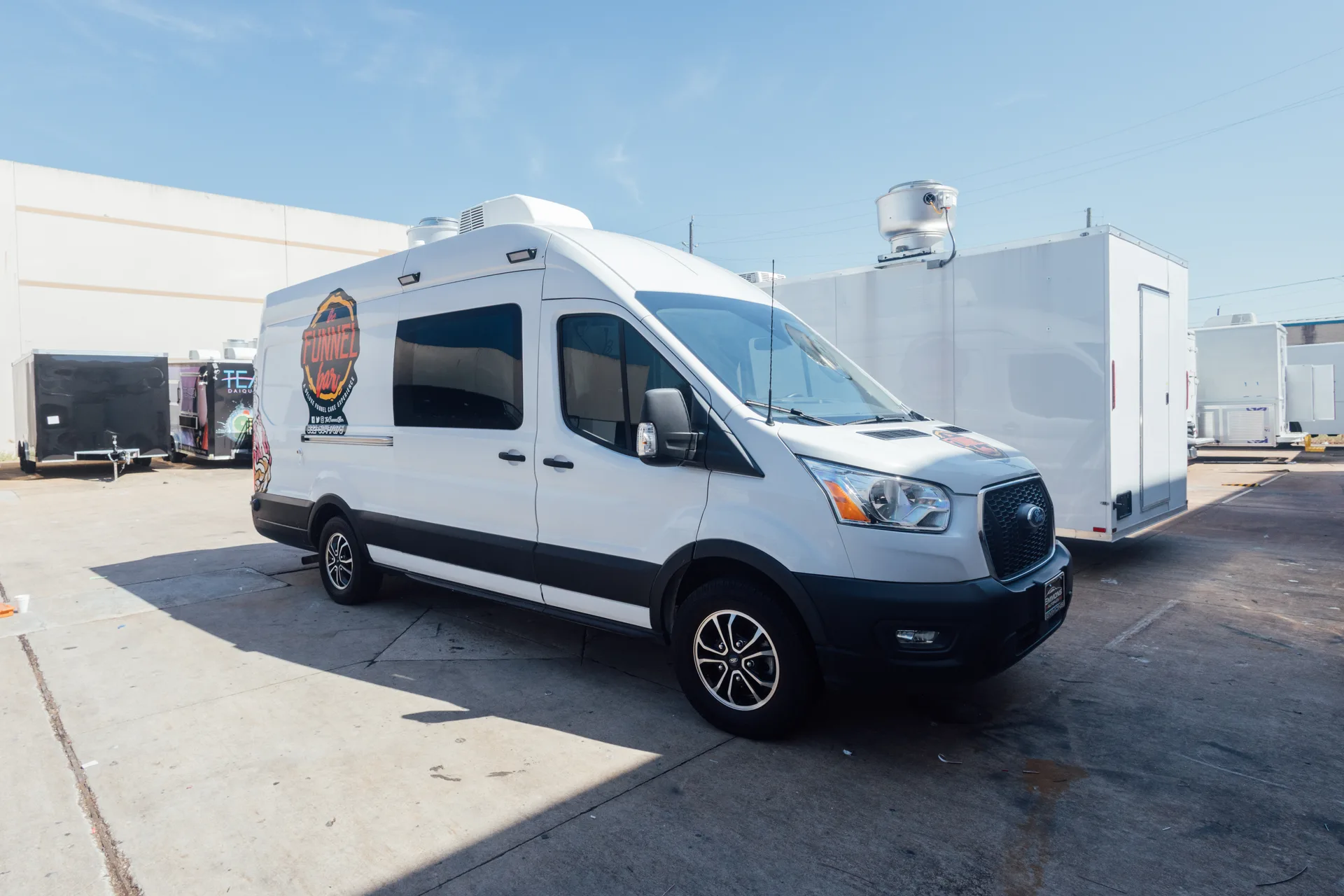
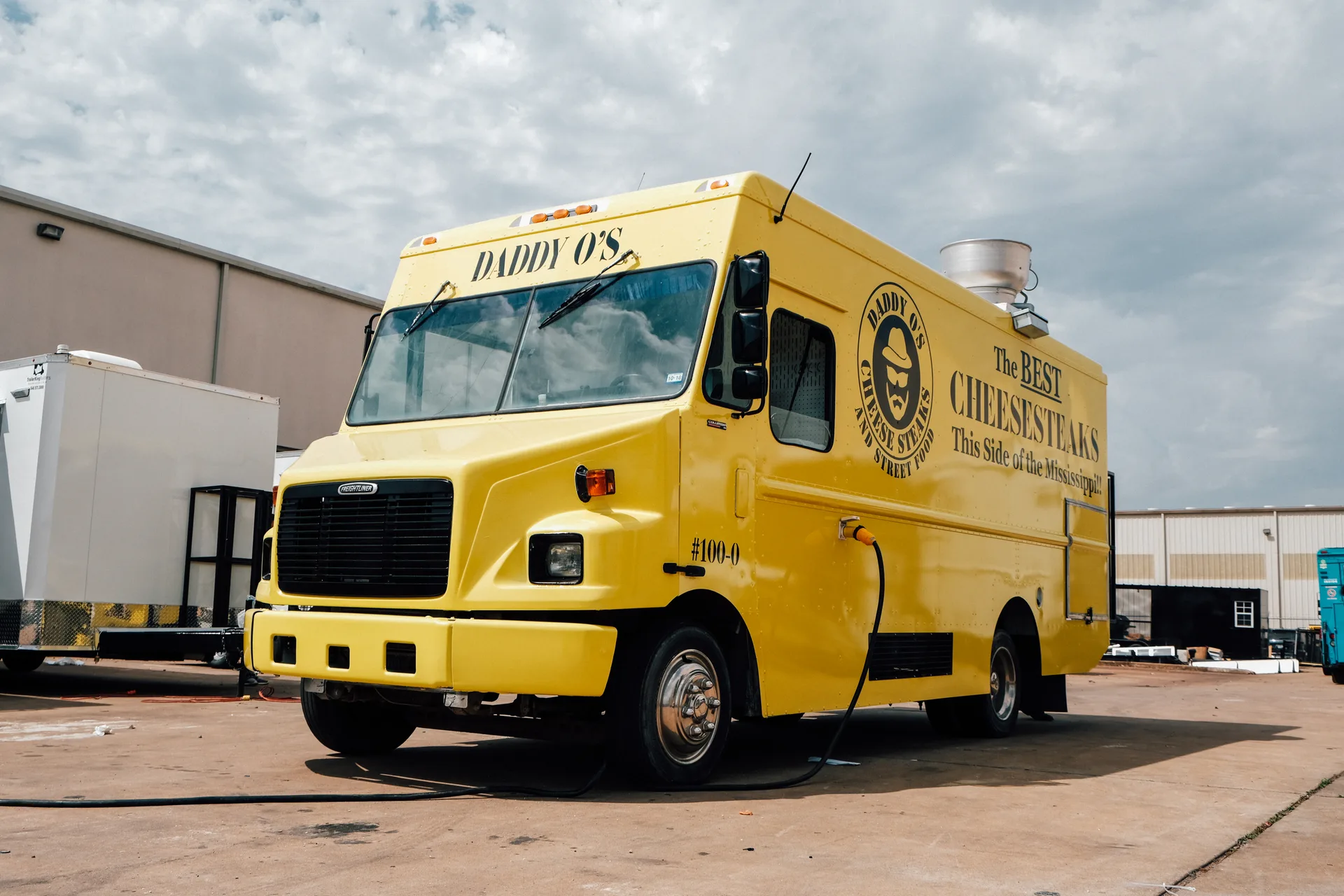
Turning a step van into a fully functional food truck sounds simple on the surface. But anyone who’s tried to break into mobile food knows there’s more to it than buying a van, loading in some equipment, and showing up at a hotspot. Before converting a van to food truck, it helps to understand how the process works, what to look out for, and why planning ahead saves time later.
This is especially true in cities like Houston, where mobile businesses can stay busy all year. Step vans are a popular option, but prepping one for cooking, serving, and staying code-compliant takes real thought. Trailer King Builders is based in Houston, Texas, and focuses on custom food truck and trailer conversions for owners across the region. Let’s go over some key things to think about before you start your build.
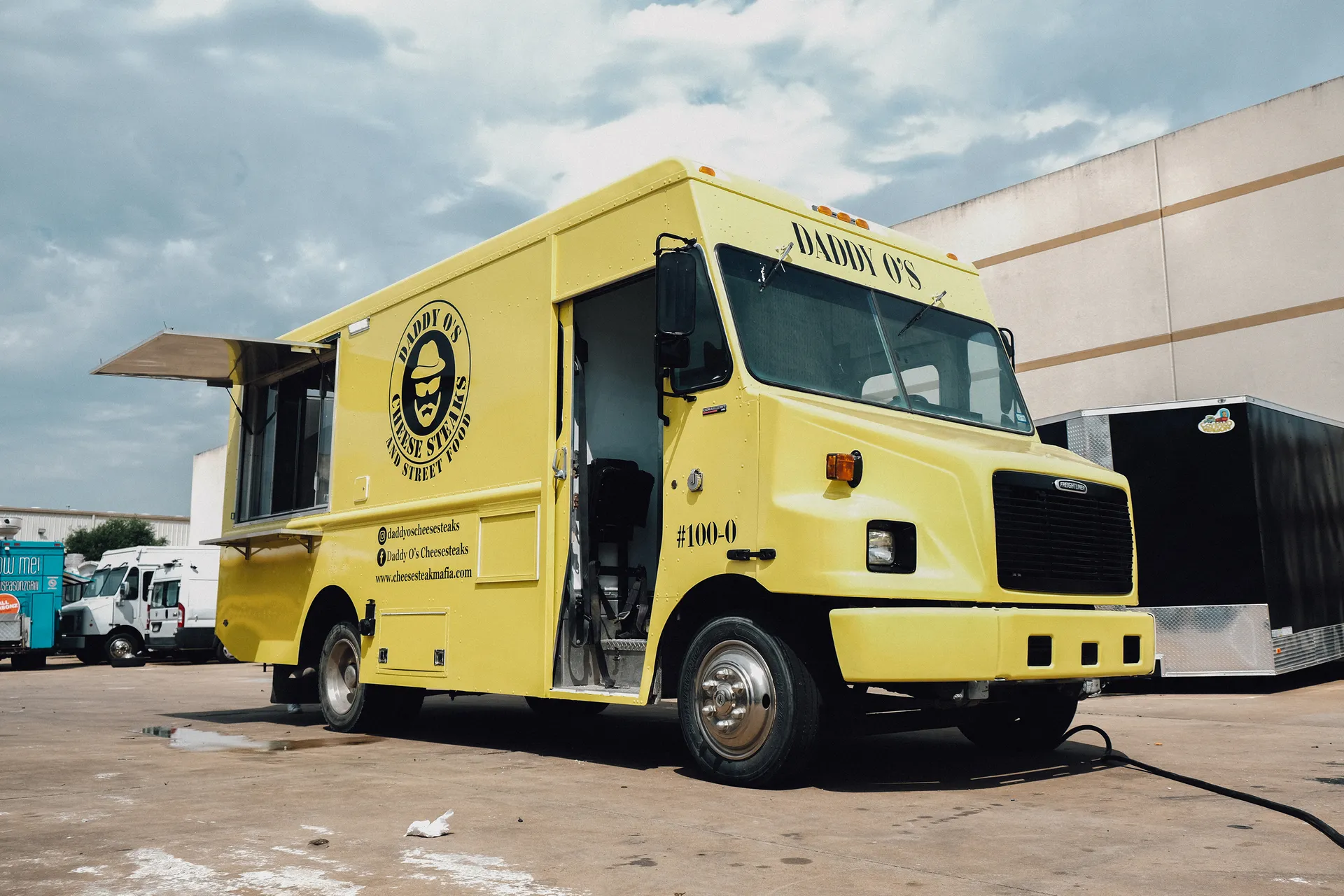
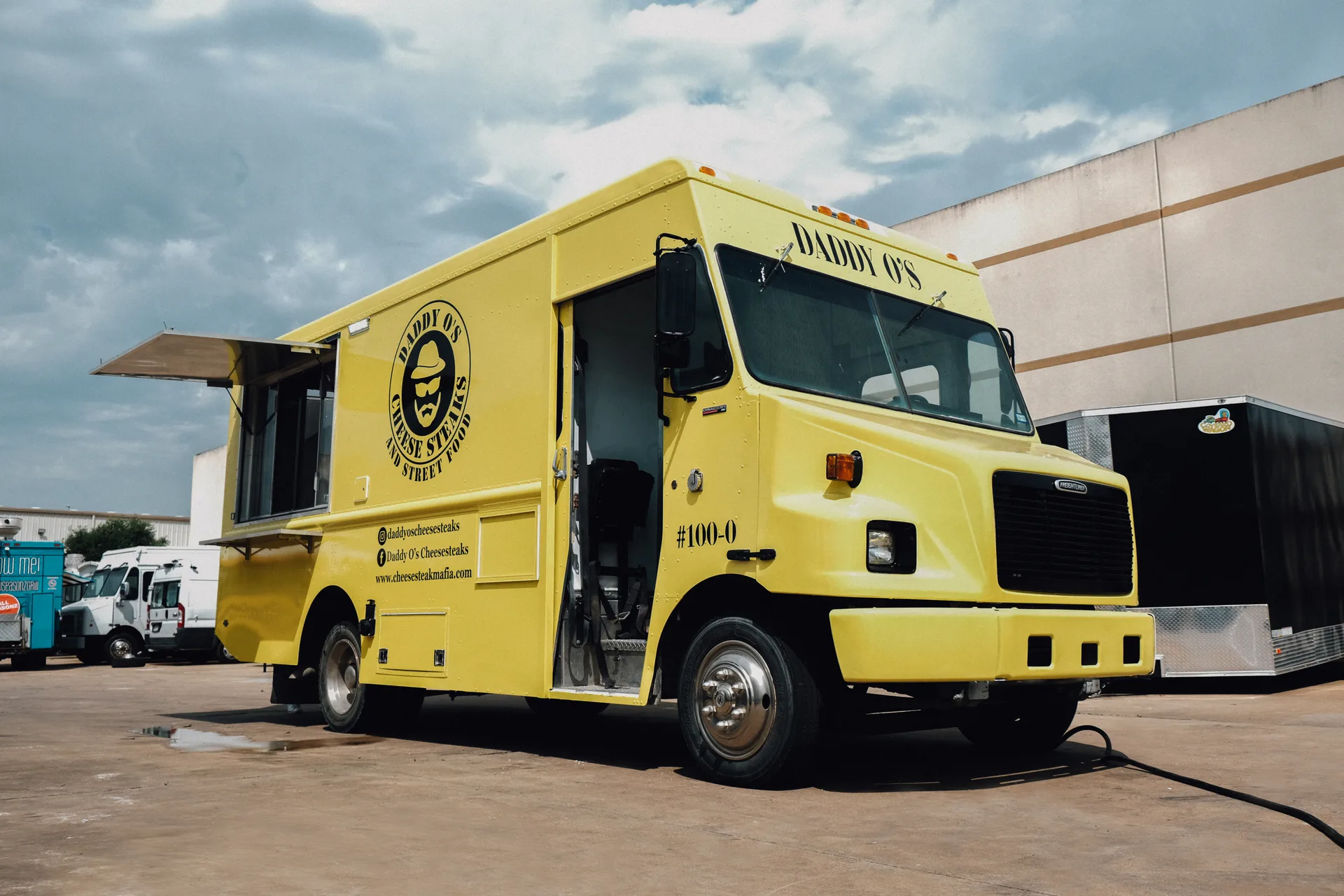
What Makes Step Vans Good for Food Trucks
Not all vehicles make good food trucks. Step vans stand out for a few useful reasons:
• They’re roomy and open, which makes it easy to customize the layout
• The walls and floors are straight, which helps when mounting appliances, sinks, counters, and storage
• They can handle heavy equipment like fryers, grills, and refrigerators without tipping or straining
Plus, a step van gives room to move around inside. That matters more than you think when it’s summer in Houston and the line is ten deep. You want something strong enough to support a full kitchen and smart enough to keep people working safely and quickly during lunch rush.
What You Need to Think About Before Buying a Step Van
Before bringing home the first van you find, look it over with these points in mind:
• Size matters. A step van should fit your cooking style and how many people will work inside at one time
• Avoid vans with serious wear and tear. High mileage isn’t always bad, but the engine should run well, the brakes should feel solid, and fluids should look clean
• Check out the doors and windows. Some models come with side roll-up doors, which could be great for service windows
The shape and condition of the van makes a big difference once you start building. A few dents or scratches aren’t the problem. You just don’t want to start with something that needs its own full makeover before the kitchen work even begins.
Planning the Build: Layout, Equipment, and Workflow
Your kitchen needs more than a stove and a fridge. Every inch has to be thought through. What goes where, when and why often gets missed if you only think about how it will look once it’s done.
To keep your workflow smooth, think about the basics first:
1. Where will customers order and where will they pick up their food?
2. How will food travel from grill to counter without crossing paths with raw ingredients or dirty dishes?
3. Is there room at the sink, or will someone always need to step aside to refill a pot or wash hands?
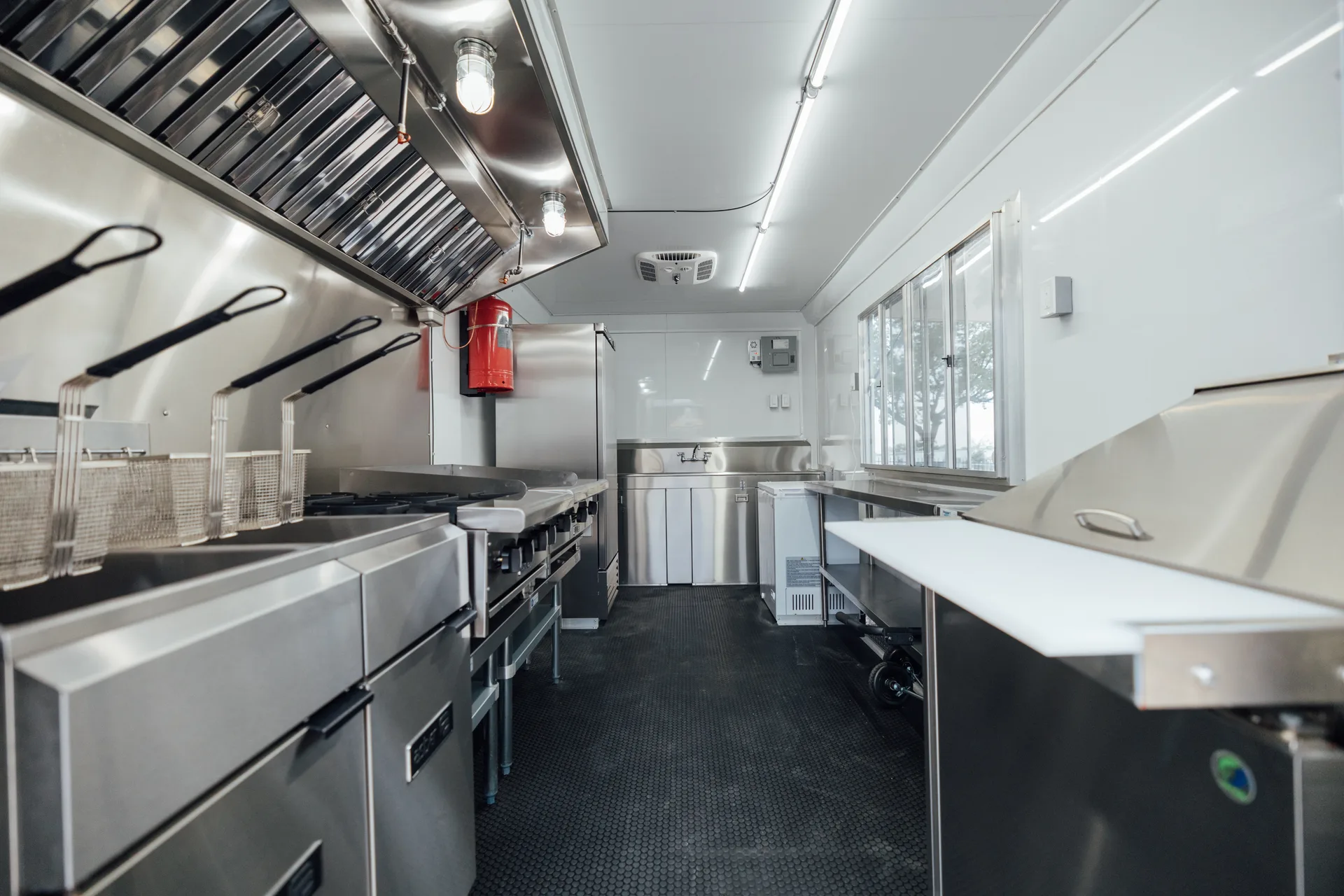
Safe movement is key. Build a layout that keeps team members from bumping into each other during crunch time. Your fryer, sink, grill, and cold storage space should all be easy to reach but not jammed together. If it’s just you inside, tight space might work. If it’s a team of three, you’ll need more elbow room.
Health and Safety Rules You Can’t Ignore
In Houston and many other cities, food trucks have to follow a set of rules that aren’t always easy to track down. Yet they can completely impact your build. If the layout isn’t built with those codes in mind, inspectors could have you start over.
Some rules show up every time, like:
• Three-compartment sinks for washing, rinsing, and sanitizing
• A separate handwashing sink
• Proper ventilation above all cooking equipment
• Fire suppression systems if using fryers or grills
Your truck will also need clean and grey water tanks that meet local sizing requirements. And just placing equipment where it fits isn’t always allowed. Plumbing, power sources, and exhaust hoods each have spacing rules that affect how you set things up. A simple oversight can slow things down, especially if your opening date is getting close.
Why Professional Support Makes a Big Difference
Getting a van ready to become a food truck can go off track fast when trying to figure things out alone. It’s not just building a kitchen in a vehicle. You’re building a space that’s ready to pass inspection, last through daily wear, and serve hot food without slowdowns.
Here’s what pro support can help with:
• Review your concept and match it with a smart, permit-friendly layout
• Plan gas lines, electrical hookups, and safe work zones for cooking
• Reduce the risk of delays caused by missed inspection points
At Trailer King Builders, our van conversion services cover the full process from initial design through kitchen layout, equipment installation, and interior build-out so the finished truck is ready for daily service. Our team also handles electrical and plumbing work for mobile kitchens, aligning those systems with local code and daily operations.
This is where real experience pays off. Instead of fixing problems after they show up, working with someone who’s seen them before can stop you from running into them in the first place.
Built to Serve: Getting It Right from the Start
If you’re looking to turn a van to food truck and actually hit the road ready to serve, thinking through the build early is one of the smartest moves you can make. All it takes is one thing out of place to slow everything down.
Your step van doesn’t just carry your equipment. It becomes your business. With the right planning and the right support behind it, that van can roll into Houston streets built to handle the long days and keep the lunch lines moving. Better to get it right now than remake it later.
Turning your idea into a rolling kitchen starts with ensuring your van is built for the job. Every element from layout and power to cooking equipment and plumbing must be designed to keep things running smoothly. We have helped many Houston food truck owners create kitchens that meet local codes and work hard every day. For assistance converting a van to food truck, Trailer King Builders has the tools and experience to guide you every step of the way. Contact us today to get your build started.