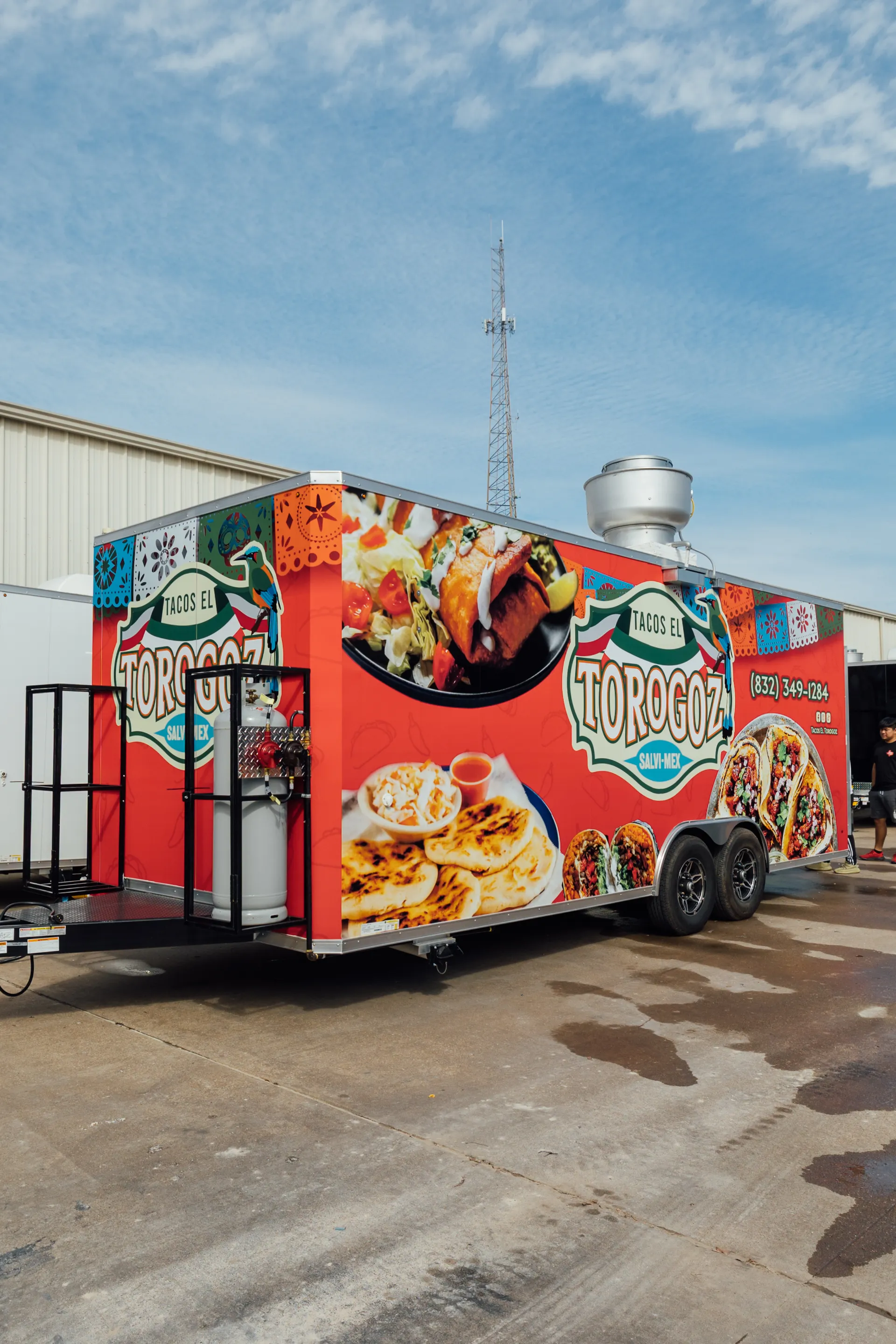
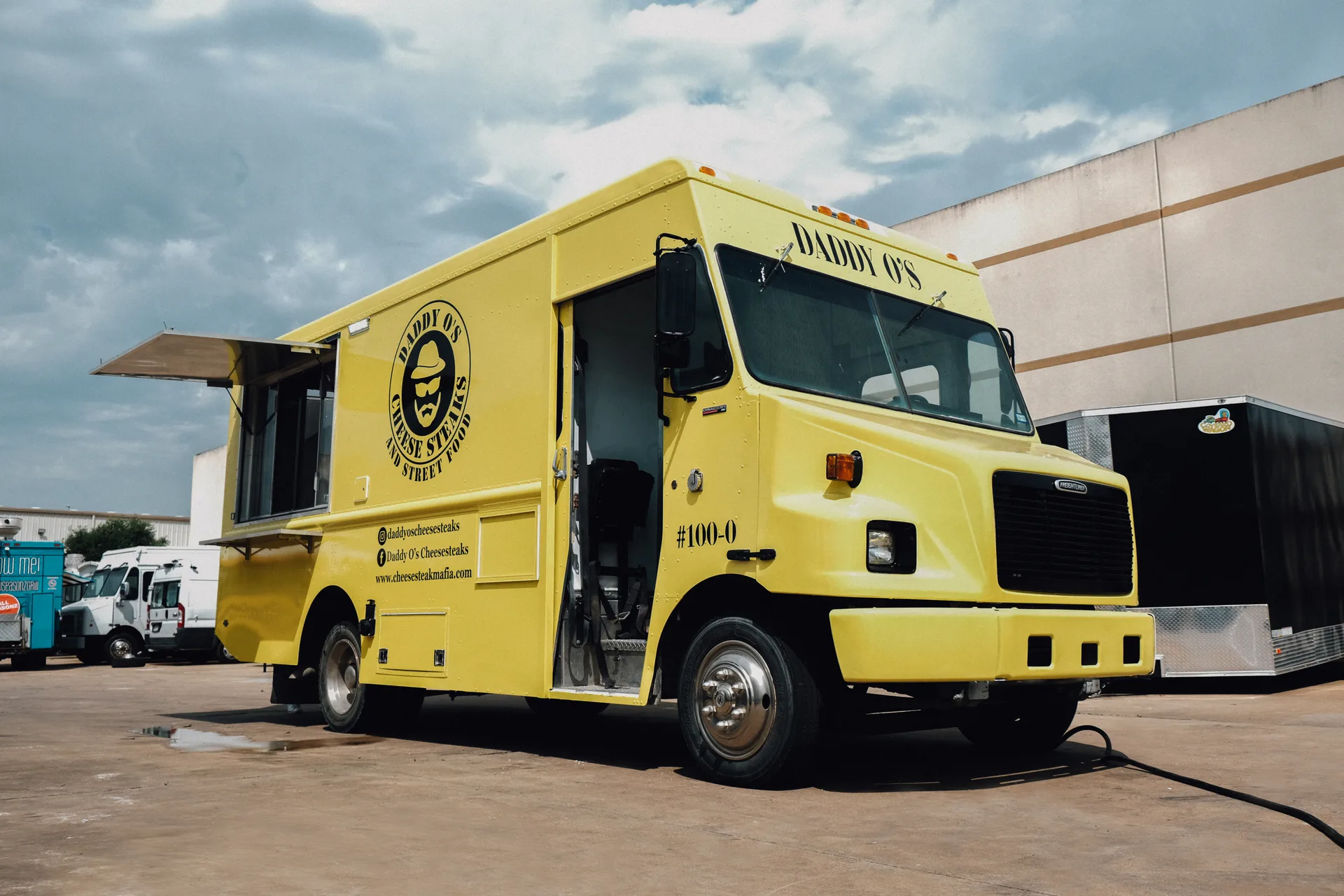
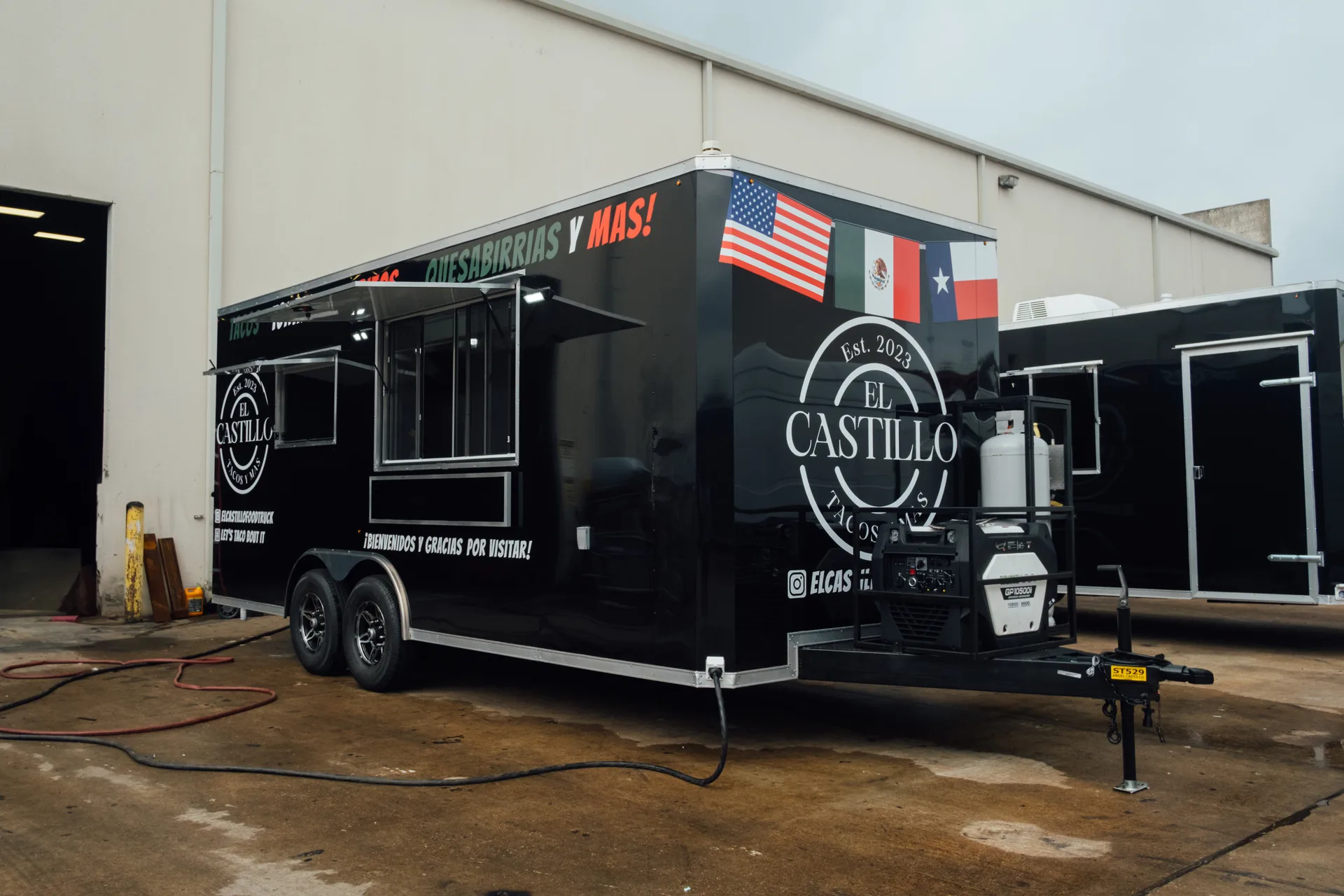
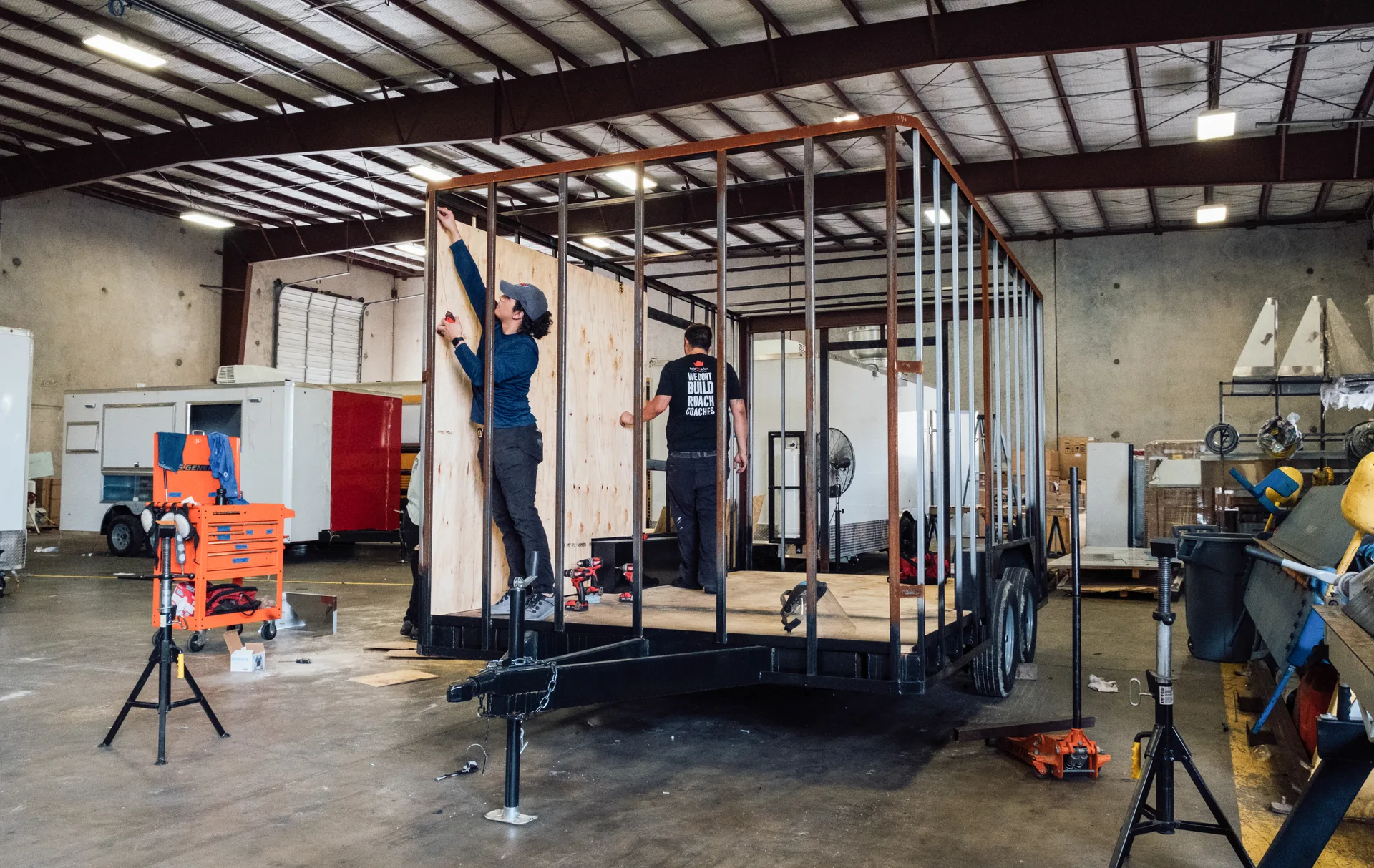
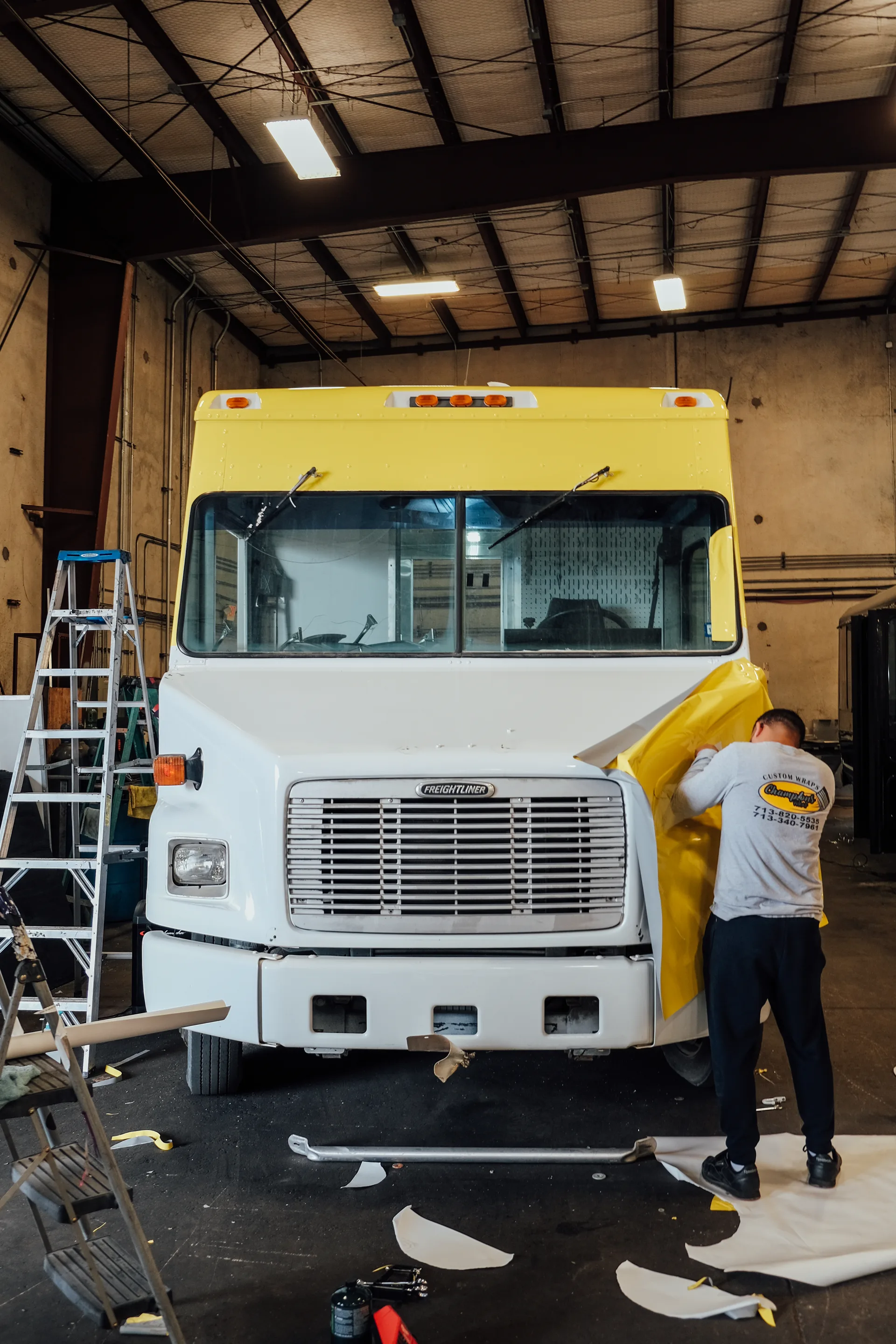
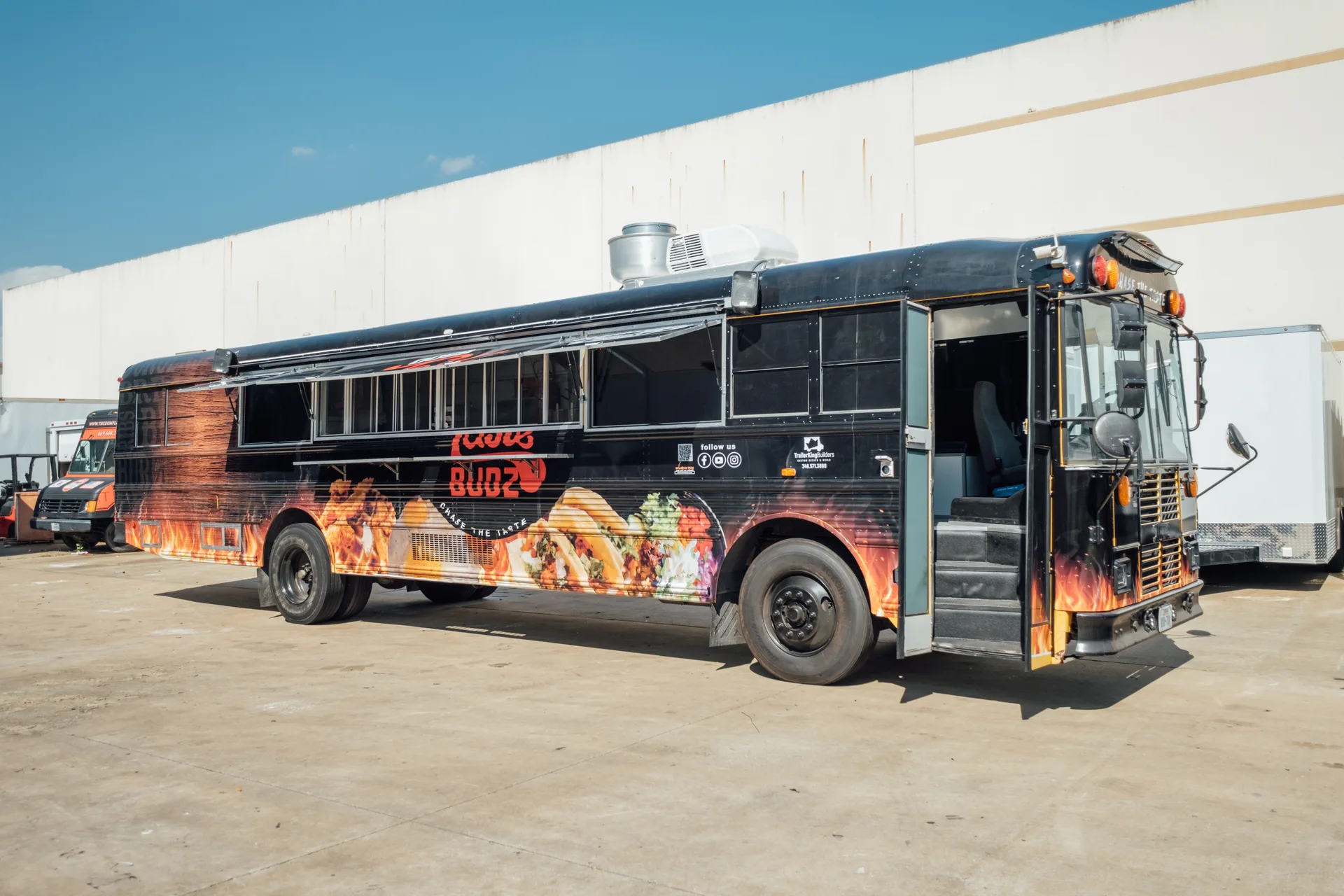
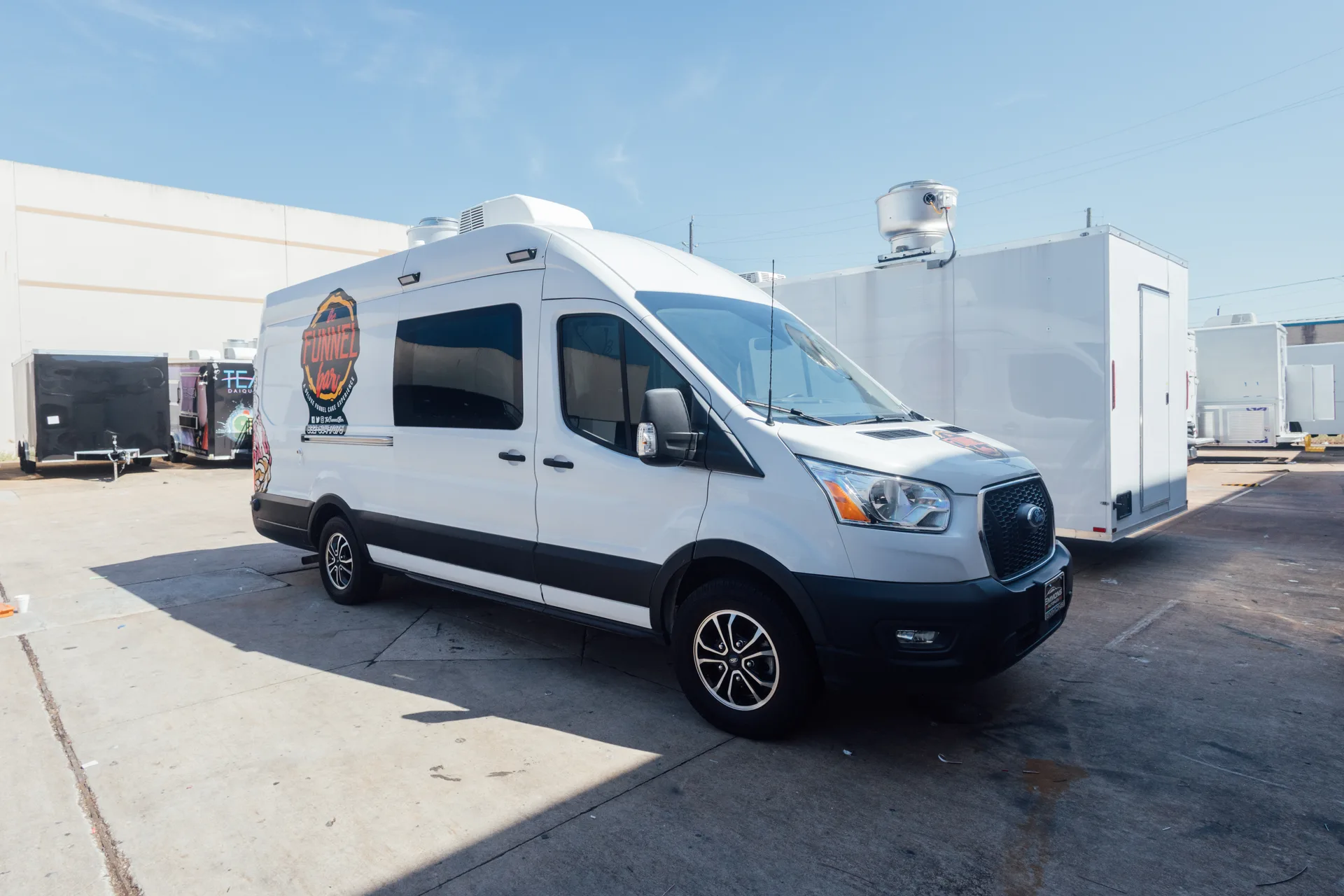
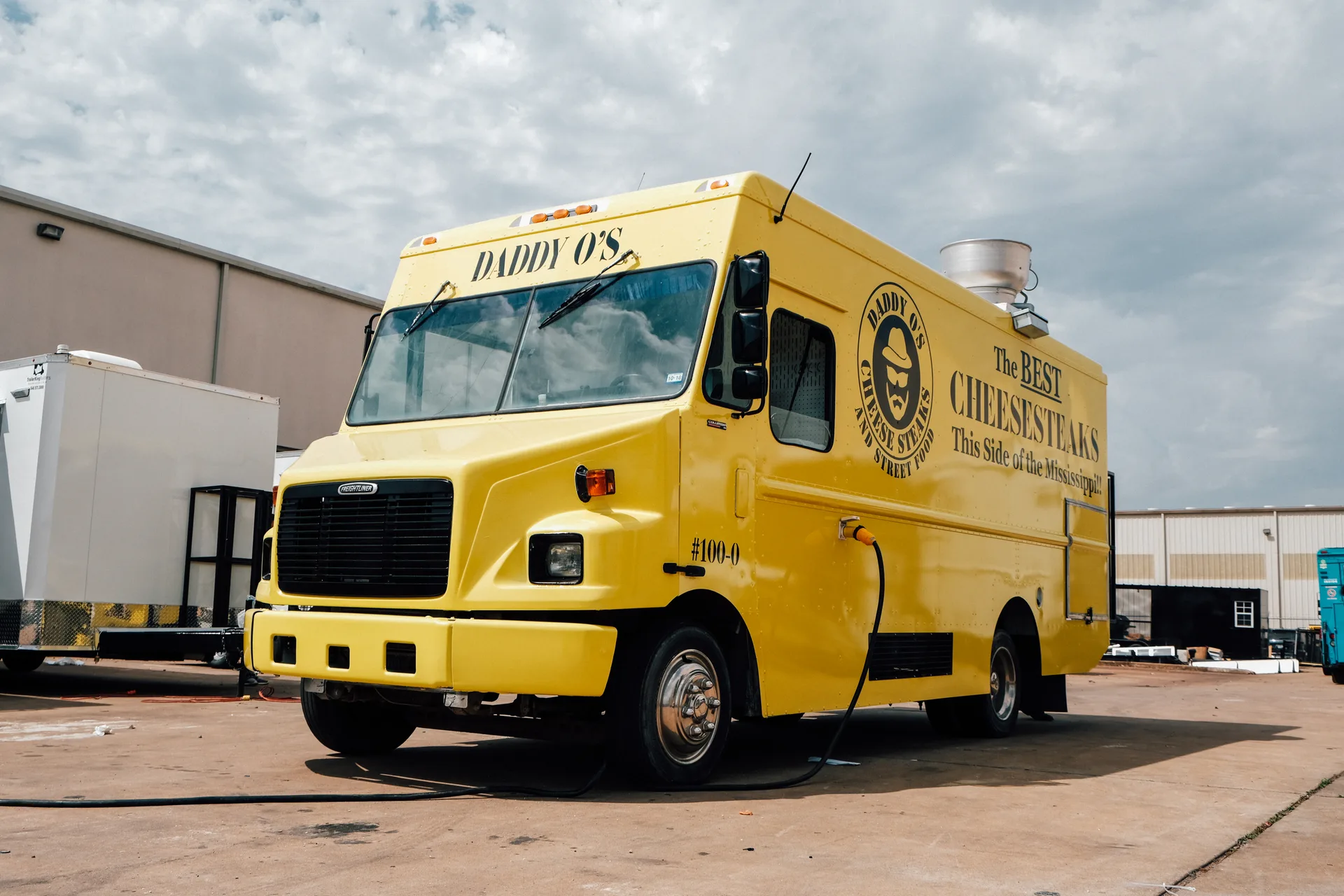
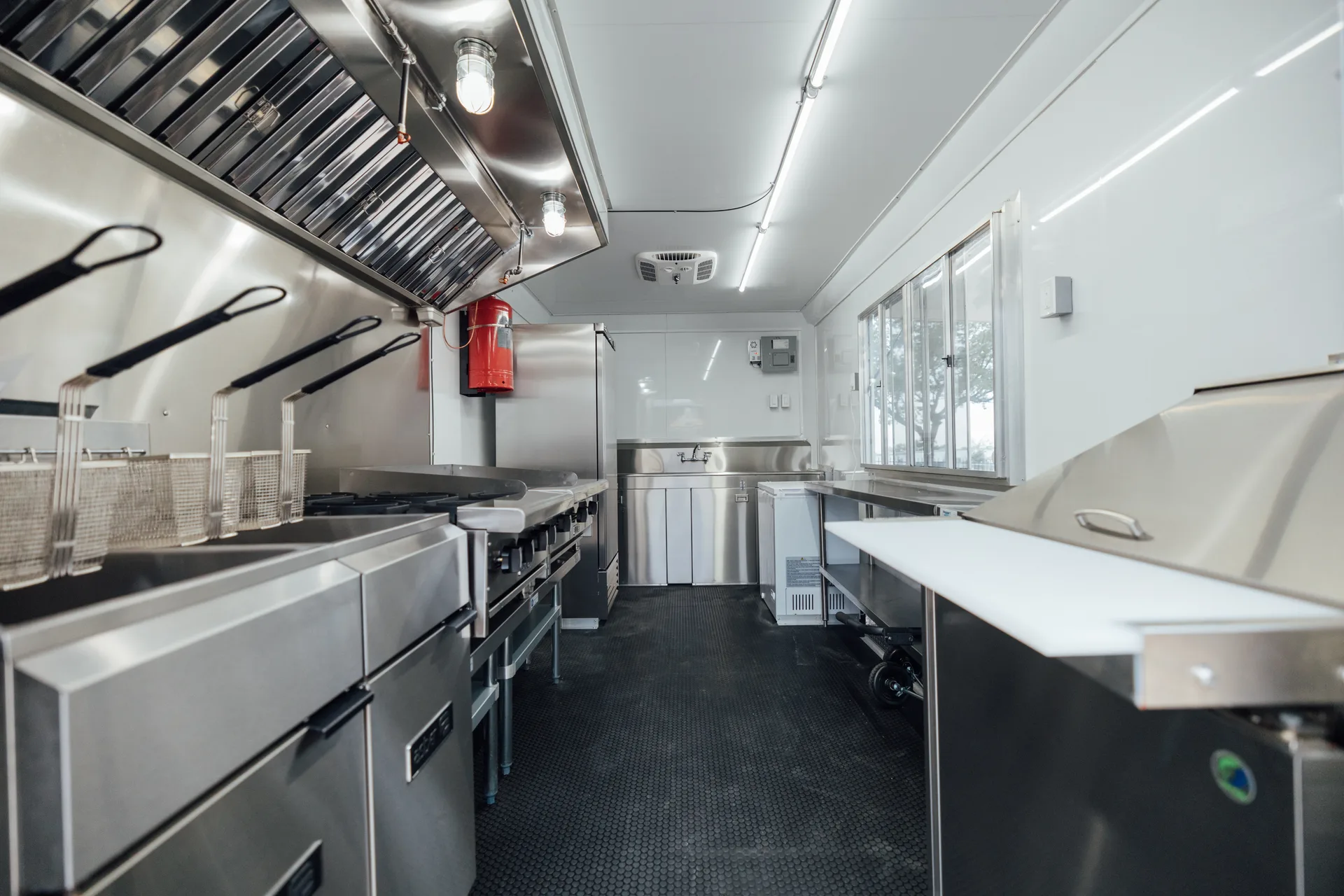

Running a kitchen inside a food truck takes more than just good food. It takes planning, especially when you’re dealing with Houston’s thick, humid air. With heat rising outside and steam building up inside, a smart ventilation system can make or break your daily grind. If you’re starting a mobile food truck conversion, this part can’t be overlooked.
We see a lot of new food truck owners surprised by how fast heat and smoke take over. Without proper airflow, your kitchen gets uncomfortable, your food suffers, and your equipment works harder than it should. Choosing the right system helps your space breathe better, no matter how steamy the weather gets. Trailer King Builders, based in Houston, Texas, specializes in converting trucks, trailers, and vans into fully equipped mobile kitchens built around each owner’s needs.
Why Humidity Matters Inside a Food Truck
In a humid place like Houston, conditions inside a food truck get intense fast. High temps mix with moisture in tight spaces. Steam rises, grease collects, and before you know it, it feels like you’re cooking in a sauna.
Here is what humidity does to your setup:
• It pushes moisture into every corner, making it hard for cooking fumes to escape
• It clogs vents faster, fills the air with smoke, and makes surfaces slippery
• It stresses out your team, draining energy and making long shifts harder
The moisture also increases wear on gear. Wiring, panels, and metal parts all begin to struggle in sticky conditions. If your ventilation can’t keep up, the whole workflow gets thrown off, especially during lunch or dinner rushes.
Signs Your Ventilation Setup Isn’t Working
You don’t have to be an expert to spot when airflow isn’t cutting it. Some signs are easy to notice, especially during long shifts or busy events.
Things that signal a problem include:
• Fogged-up windows or streaky walls after just a short time cooking
• Food that loses its crisp texture or doesn’t hold temperature like it should
• Crew members complaining they’re overheating or can’t breathe well
It might start small, but poor ventilation adds up fast. Your team will move slower, customers wait longer, and eventually, your equipment starts breaking down more often. If you’ve noticed any of these, your current fan or hood might not be built for wet, hot air.
What to Look For in Ventilation Systems Built for Humid Climates
Not all fans and vents are equal. Some get overwhelmed in humid places, especially in places like Houston where winter does not always bring relief. If you’re planning ahead for a mobile setup, your ventilation needs to stand up to long, muggy days.
Features worth paying attention to include:
• Hoods and fans made from rust-resistant materials like aluminum or stainless steel
• A layout that moves air up and out, not just around the cabin
• Pairing the main system with side vents or roof-mounted units for more airflow points
You don’t want steam to sit and gather inside the space. Good systems push it out quickly and keep the inside cooler. It’s not just about one strong fan but how the whole ventilation path works together.
How to Make Ventilation Decisions During a Mobile Food Truck Conversion
When going through a mobile food truck conversion, planning your ventilation can’t wait until the end. It’s tied closely to your kitchen design and how you plan to cook.
To make smart calls during the build, focus on these key points:
• The style of cooking you do most often, foods with heavy grease or smoke need faster air movement
• The size and layout of the truck, tight layouts might need slimmer hoods or extra side ventilation
• Whether you can clean and adjust the system easily, removable filters and access panels save time later
A kitchen with a deep fryer, grill, and steam table needs more airflow than one focused on cold prep or drinks. It’s not just about removing heat. You’re managing smoke, smells, fog, and the health of your staff. During our conversions, we also handle the electrical and plumbing setup, so ventilation, power, and water systems all meet code and support your daily workflow.
Keeping It Working All Year in Humid Regions
Once your system is in place, it needs basic care all year long. Houston doesn’t deal with snow and ice, but it does see continued humidity nearly every season. Ventilation that’s left unchecked can lose performance fast.
Here is what helps keep things running:
• Cleaning out fan blades, filters, and hood interiors so grease buildup doesn’t block airflow
• Checking vents and ductwork as seasons shift to make sure they’re clear
• Making updates as needed when your kitchen setup or menu changes
Preventive work keeps the system running smoother for longer. It also helps avoid surprise shutdowns when business is busiest. As part of our broader kitchen conversion work in Houston, we focus on creating functional, efficient kitchens that meet health and safety standards, so ventilation stays dependable through changing weather.
Build a Food Truck That Breathes Easy
Planning ahead makes a difference you can feel every day. Good airflow helps keep your team cool, your food crisp, and your kitchen reliable. It’s about building a space that works with the seasons, especially the muggy ones.
If you’re building or adjusting your setup, ventilation should be near the top of the list. A well-planned system adds comfort, improves cooking conditions, and brings peace of mind when the weather outside starts pushing in. Whether you’re working through a mobile food truck conversion or updating your trailer, focusing on how that kitchen breathes will pay off over time.
Planning a food truck that can handle Houston’s humidity starts with smart airflow and ends with a kitchen that works all year long. Every detail from vent placement to ongoing cleanup plays a role in keeping your setup cool, and whether you’re starting a new build or reworking an old layout, we can help you think through the details that matter most in a mobile food truck conversion. At Trailer King Builders, we know how to keep it cool when things heat up, so give us a call to talk about your build.