As a food truck owner, you know how important it is to ensure safety for your employees and customers. However, certain risks may not be as apparent to you until they happen. One such risk is fire. There have been many cases involving fires caused by food trucks. Even though the unexpected happens sometimes, you can prevent fire hazards in food trucks with basic tasks. Want to know how? Read our 6 tips below!
6 Tips To Avoid Fire Hazards
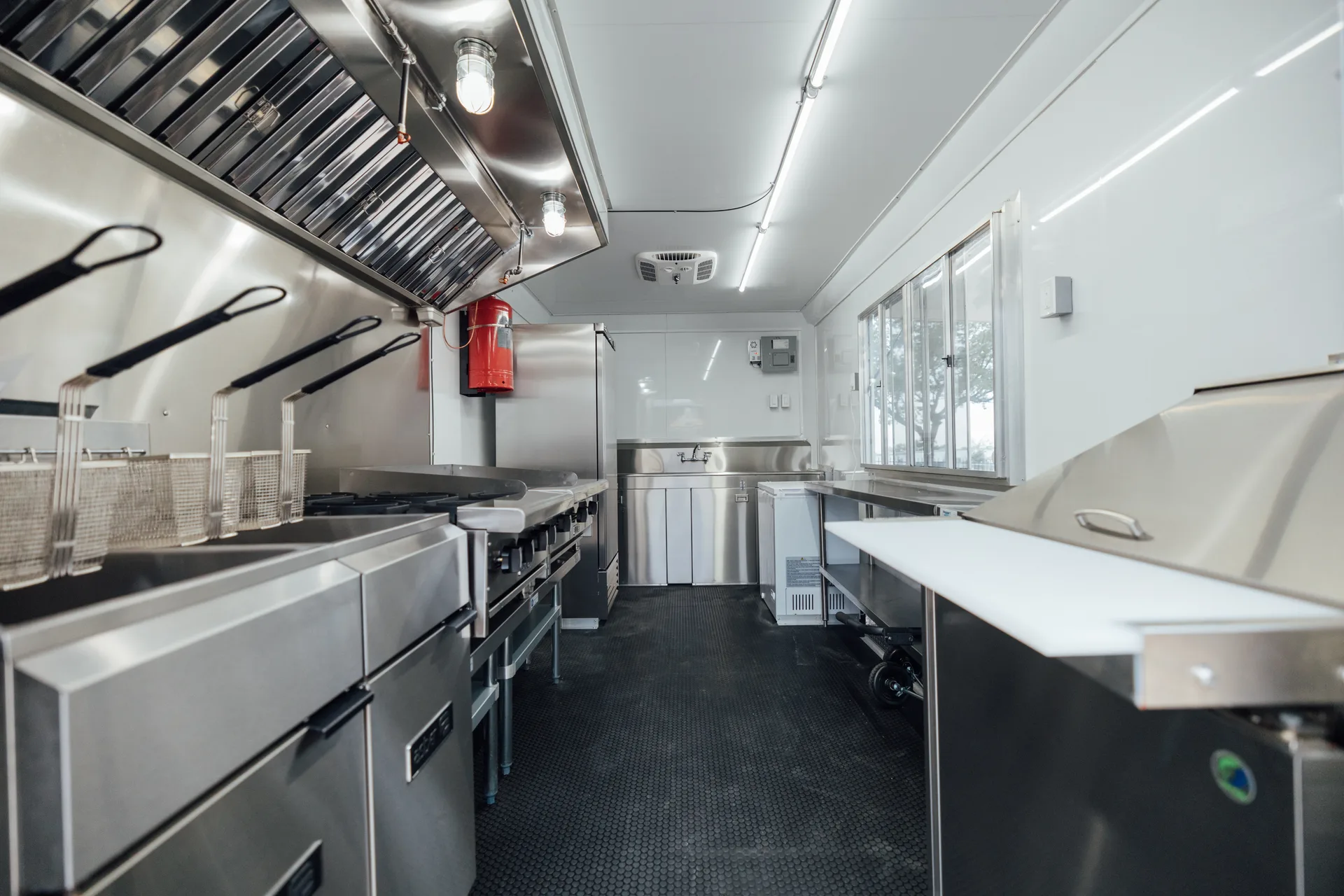
Here’s how you can prevent fire hazards from being a huge threat to your business besides owning the right truck for food businesses and having two different kinds of extinguishers: 1) Regular Inspections: Set up regular electrical equipment inspections and maintenance for food truck safety and look for hazards such as frayed wires or combustible materials near power sources. 2) Hydrostatically Tests: When hydrostatically testing fire extinguishers and propane tanks, follow NFPA guidelines. To guarantee that the equipment stays in good operating order, ensure it is branded with the testing date. 3) Eliminate The Dirt Properly: Take the grease off walls, work surfaces, ranges, fryers, broilers, grills, convection ovens, vents, and filters should be done at least once a day. Pay special attention to exhaust hoods, which can become clogged with oil and obstruct airflow. 4) Exhaustive Cleansing: To lessen the risk of a fire, keep the food truck as clean as possible. Your staff should keep food, paper products, linens, and cartons away from heat and cooking sources. Once a day, properly dispose of soiled rags, trash, cardboard boxes, and wooden pallets. 5)Prepare Your Team Members: In the event of fire hazards in food trucks, every shift should have at least one team member who knows how to turn off gas and electrical power. Designate one team member per shift to serve as an evacuation manager, with responsibilities including phoning 911, identifying when an evacuation is required, ensuring that everyone exits the truck safely, and leading customers a safe distance away. Similarly, make sure that everyone on your team knows where all of the truck’s exits are located. 6)Smartly Use Chemicals: Use chemical solutions in well-ventilated places and clean up spills right away. Always follow the manufacturer’s instructions when mixing chemicals, try to mind your food truck safety, and act accordingly. We hope these tips were of good help to you and your business! If you do not have a food truck yet, Trailer King Builders offer food trucks for sale in Texas! Contact us.